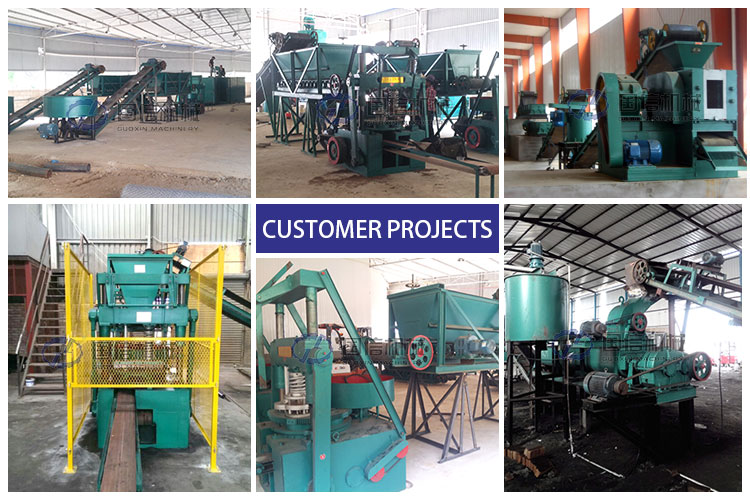
Industrial High-Pressure Charcoal Punching Machine
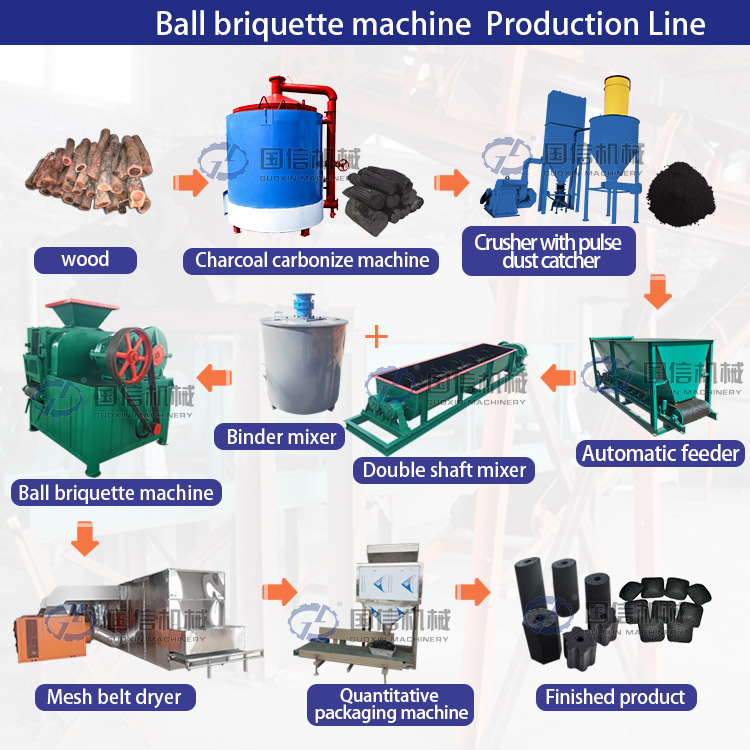
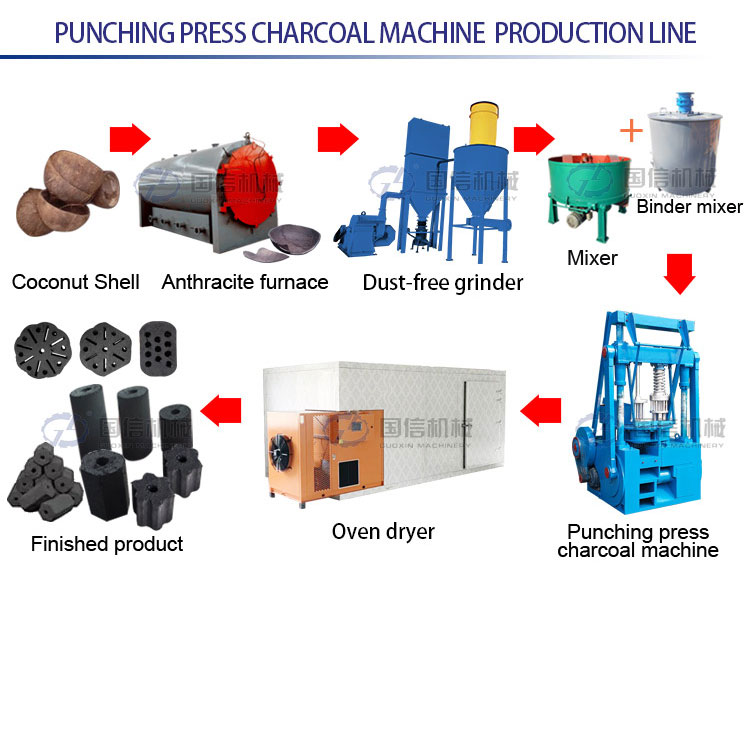
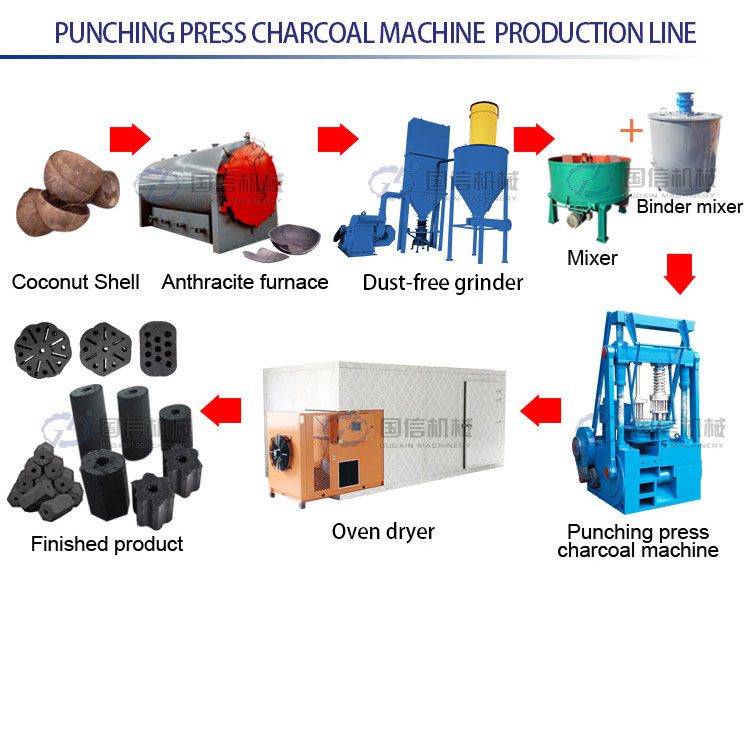
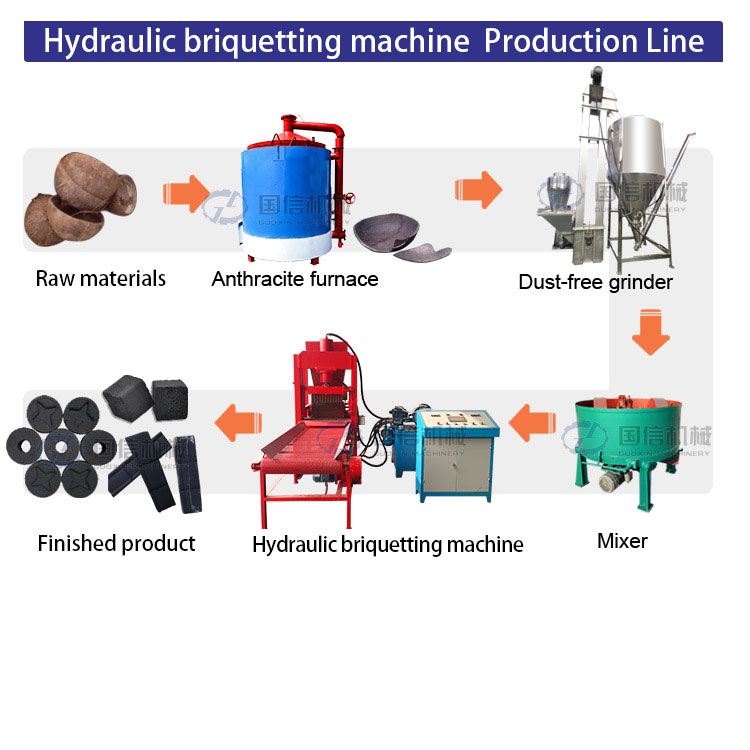
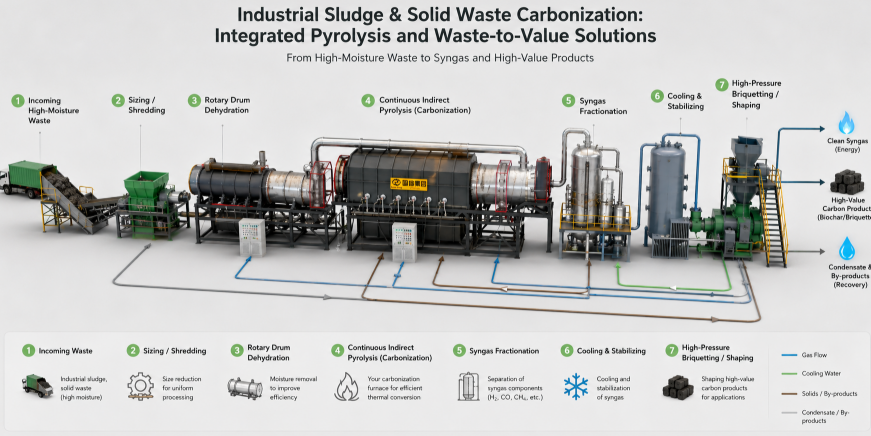
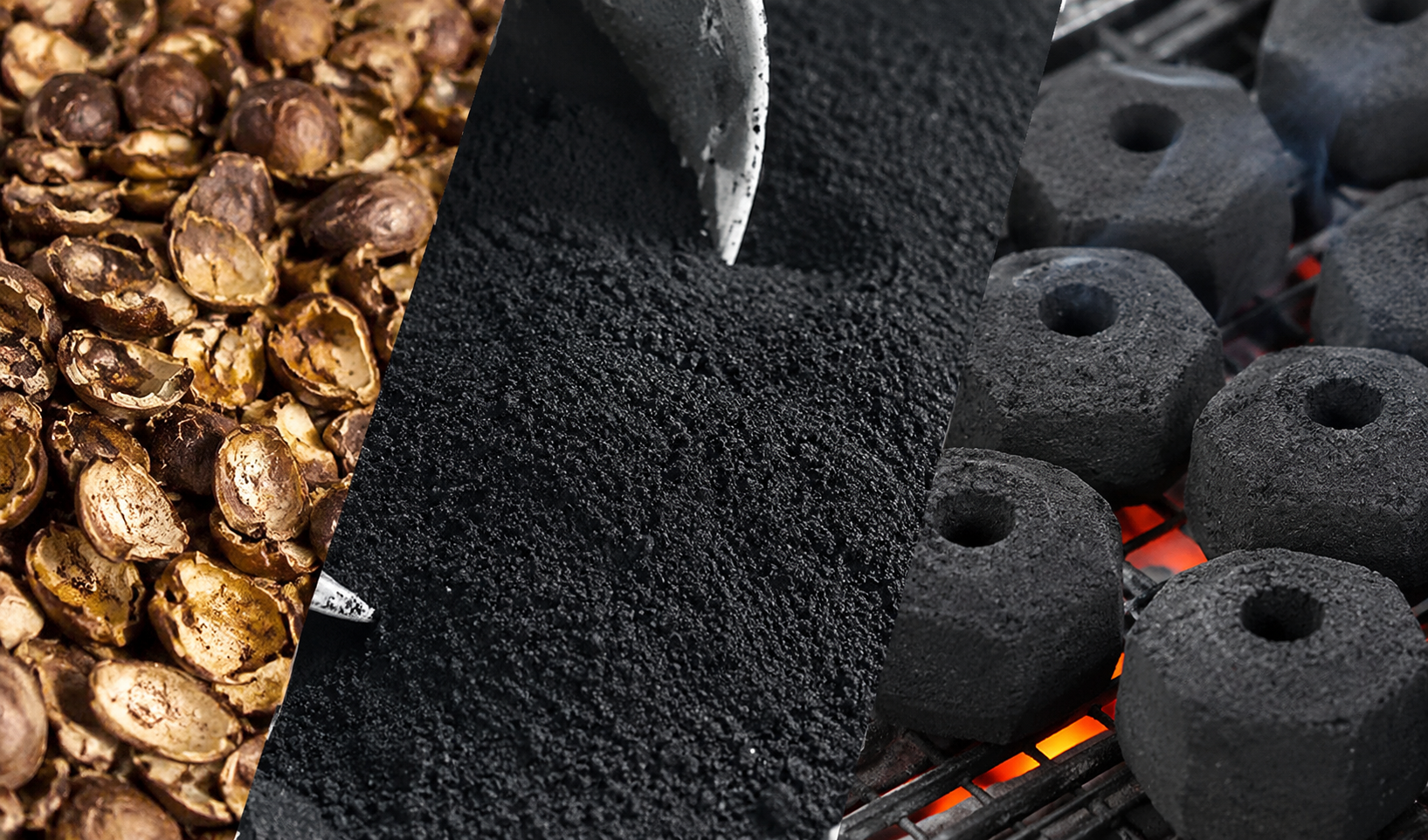
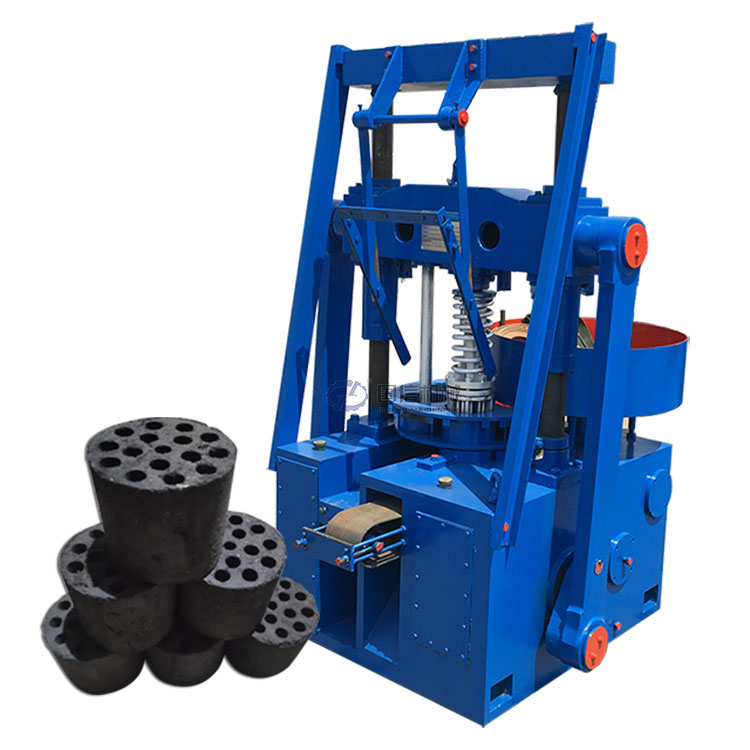
Precision Forming for High-Performance Bio-Fuel The Charcoal Punching Machine (frequently termed the Multi-hole Briquette Press) is a heavy-duty mechanical system engineered to compress carbonized biomass powder into high-density, uniform briquettes. By utilizing a vertical punching mechanism, this machine achieves significantly higher density than traditional extrusion methods, resulting in a cleaner, longer-lasting burn.
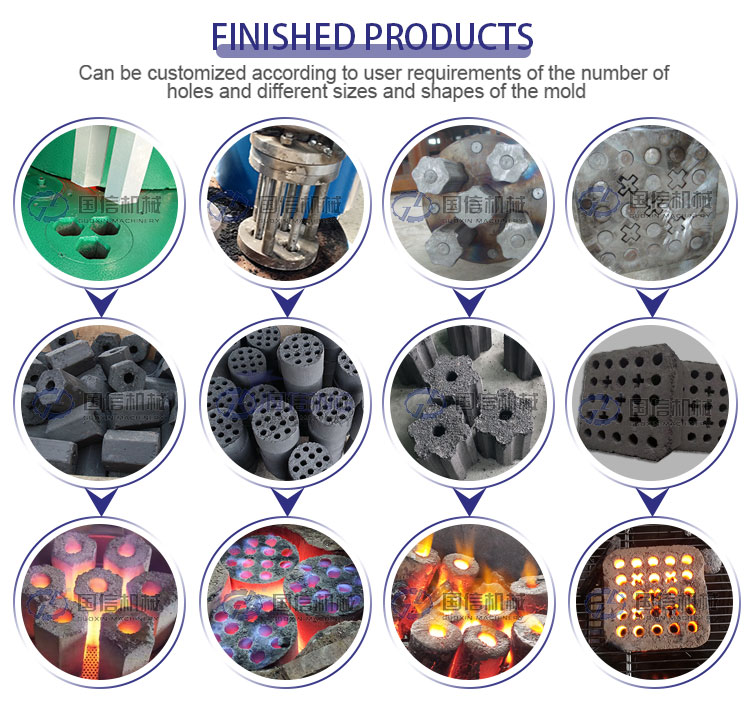
Enhanced Aerodynamics: The iconic “honeycomb” multi-hole structure is not for aesthetics; it provides optimized oxygen flow, ensuring complete combustion and consistent heat output.
High Fixed-Carbon Retention: Unlike screw extruders that use friction (which can degrade charcoal quality), our cold-punching process maintains the integrity of the charcoal powder.
Market Versatility: One machine, multiple applications. By simply changing the molds, you can produce:
Honeycomb BBQ Charcoal: For long-duration catering.
Instant-Light Shisha Cubes: High-density, low-ash output.
Hexagonal/Cylindrical Bio-Coal: For industrial boilers.
Reinforced Pressure System: Built with hardened alloy steel components to withstand 24/7 industrial operations.
Adjustable Height & Density: Precision control over the stroke length allows for customizable briquette height and compression ratios.
Clean Operation: Integrated with a dust collection interface, keeping the production environment compliant with modern safety standards.
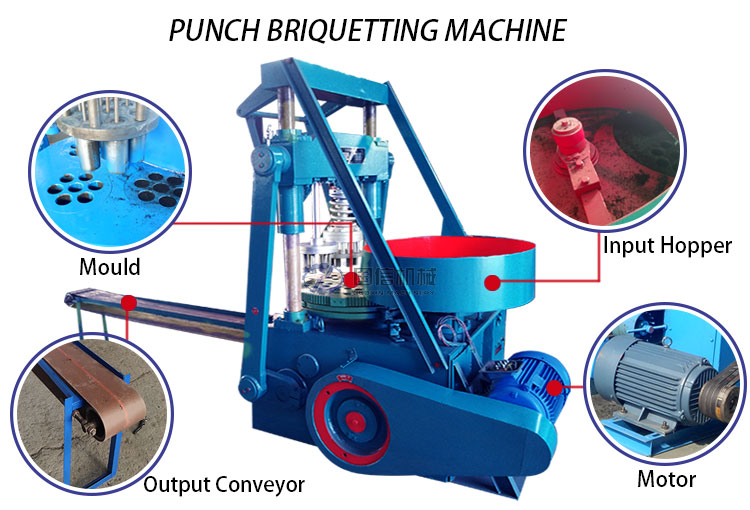
Industrial High-Pressure Charcoal Punching Machine
Q1: What materials can be used in this punching machine?
A: It is designed for fine powdered materials, including wood charcoal powder, coconut shell charcoal, bamboo charcoal fines, and coal dust.
Q2: How do I change the shape of the briquettes?
A: The machine features an interchangeable mold system. We can customize circular, hexagonal, or square molds with varying hole patterns based on your market requirements.
Q3: Does the briquette require a binder?
A: Yes, for biomass charcoal powder, a small amount of liquid binder (such as starch-based mixtures) is typically required to ensure the high-density structure remains stable during transport and burning.