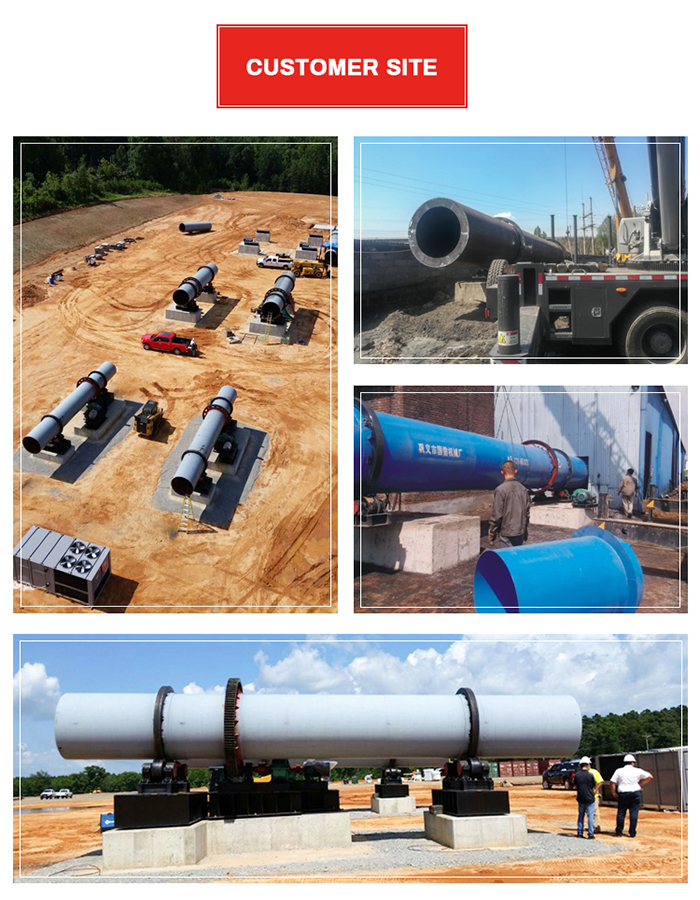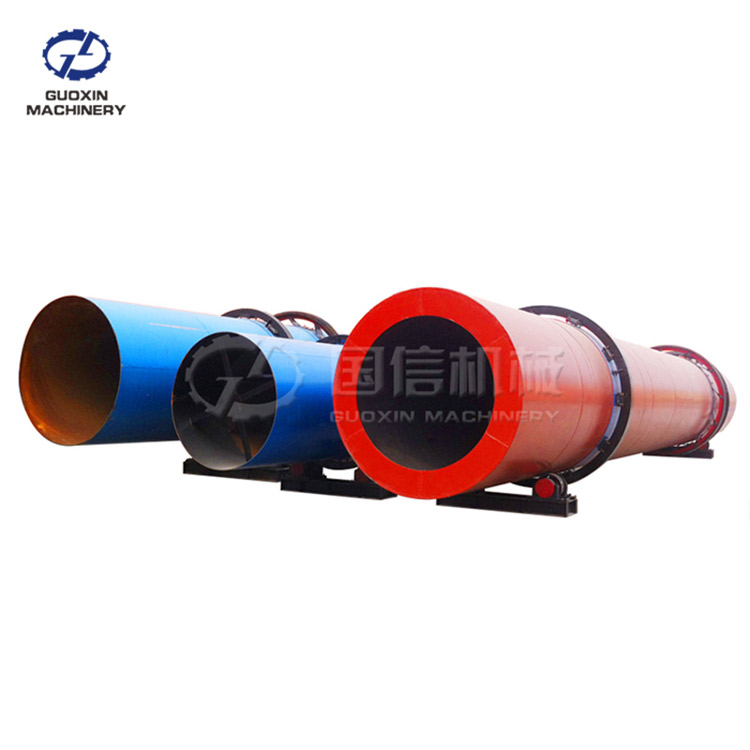
In large-scale industrial processing, the Rotary Drum Dryer is the definitive solution for reducing the moisture content of bulk materials, powders, and granular solids. Engineered for 24/7 continuous operation, this equipment utilizes a slightly inclined rotating cylinder and internal lifting flights to maximize heat exchange between the material and the drying medium. Whether processing abrasive mineral ores or high-moisture biomass residues, our rotary dryers are designed to deliver uniform dehydration while minimizing energy OpEx.
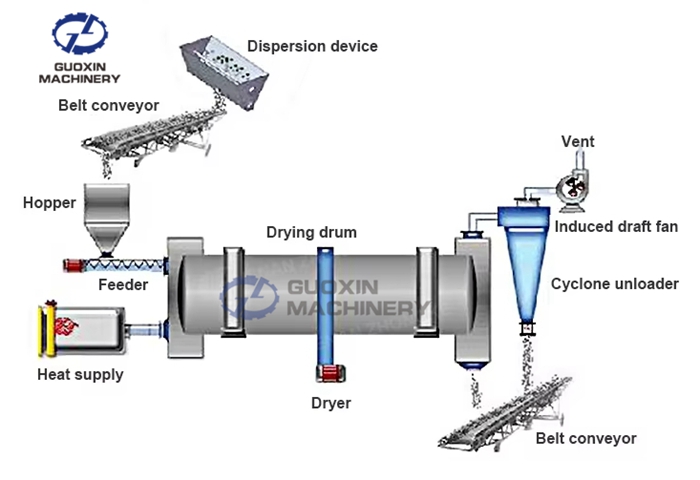
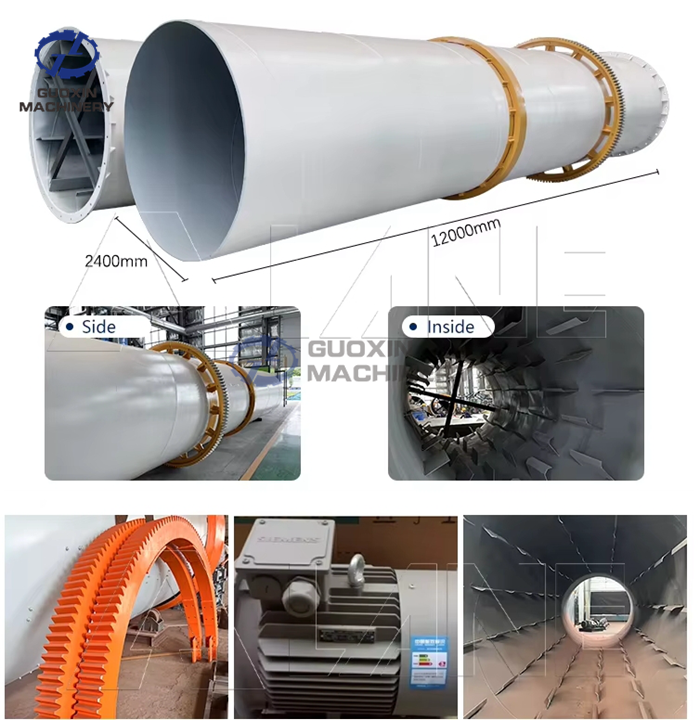
The efficiency of a rotary dryer is defined by its internal geometry. Our drum design focuses on:
Advanced Flighting Design: Specialized internal lifters shower the material through the hot air stream, creating a consistent “curtain” of material. This ensures every particle reaches the required terminal moisture content.
Variable Drive Systems: Adjustable drum rotation speeds allow for precise control of the residence time, essential for balancing throughput with the specific dehydration requirements of different material densities.
Heavy-Duty Support Mechanism: Utilizing high-strength forged steel rollers and tires (riding rings) to ensure stable operation under the significant weight of high-volume industrial loads.
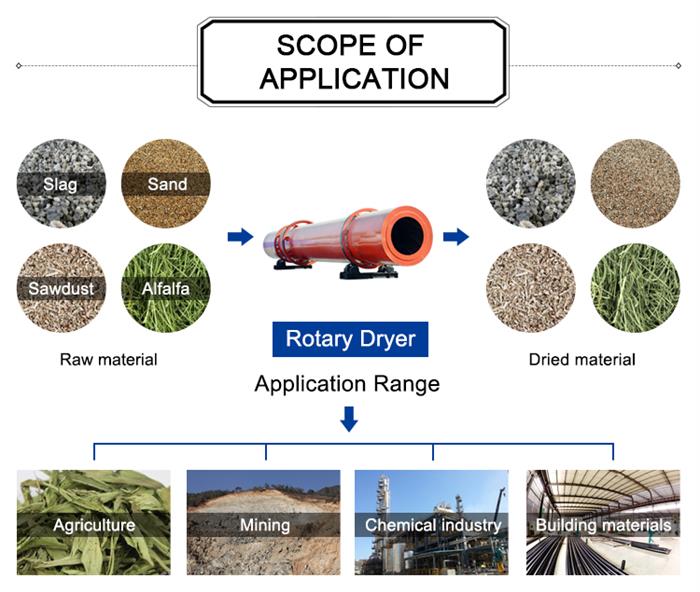
The rotary drum dryer is recognized for its “material-agnostic” capability, handling feedstocks that would clog or damage more delicate drying systems:
Minerals & Aggregates: Sand, quartz, slag, limestone, and iron ore fines. (Essential for preparing materials for downstream Ball Pressing or smelting).
Environmental & Chemical: Industrial sludge, gypsum, coal fines, and spent grain.
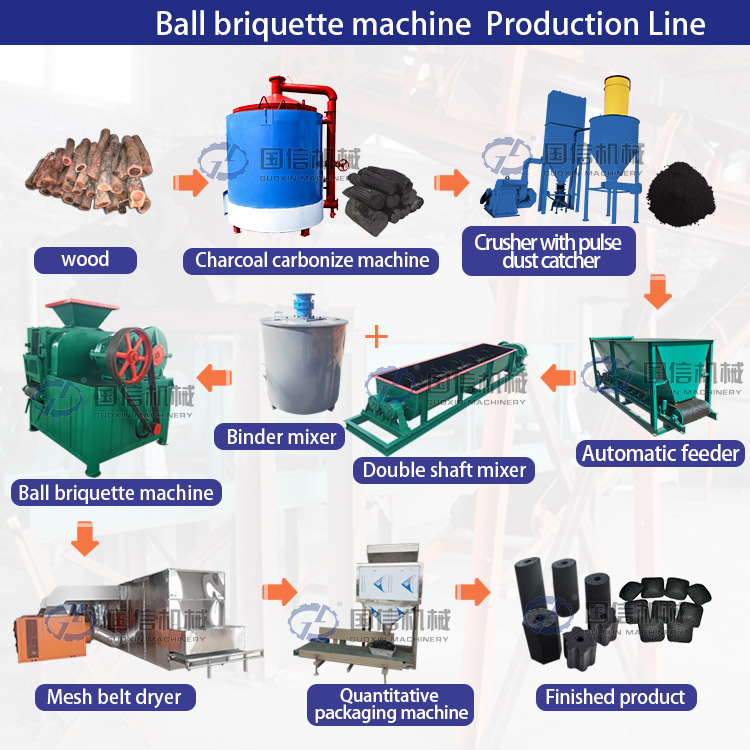
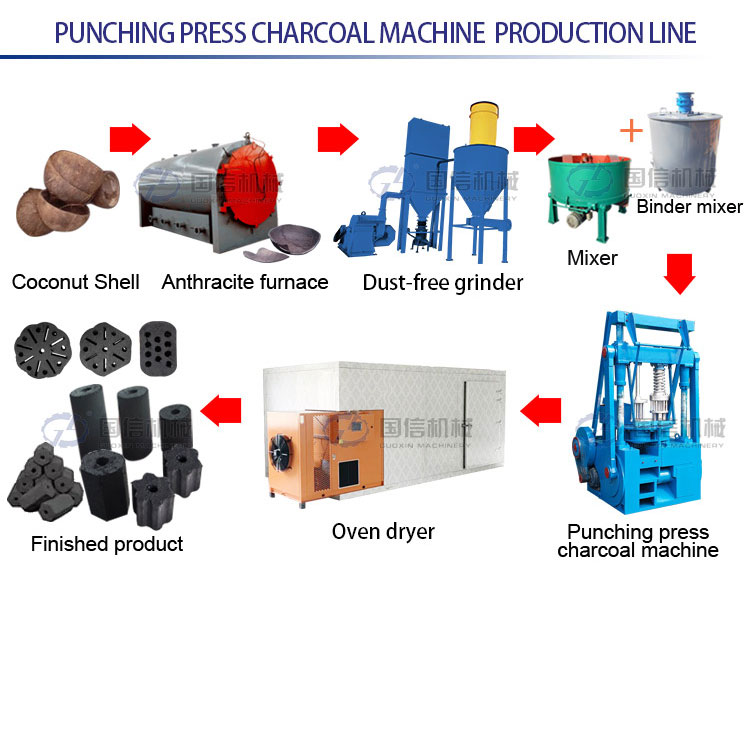
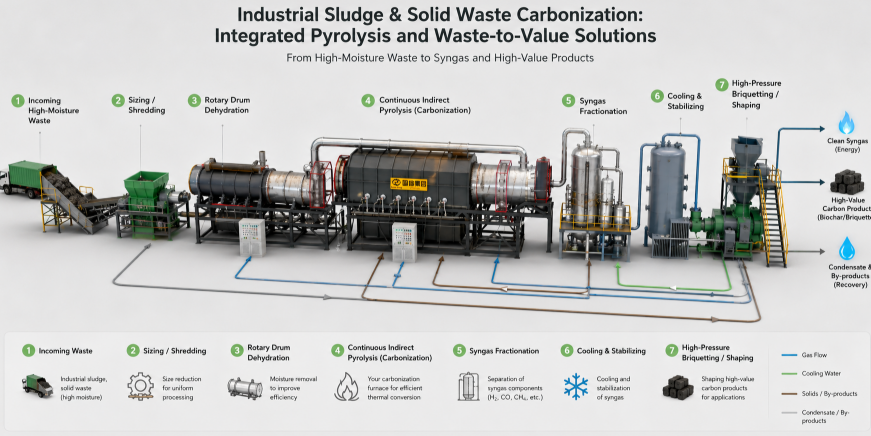
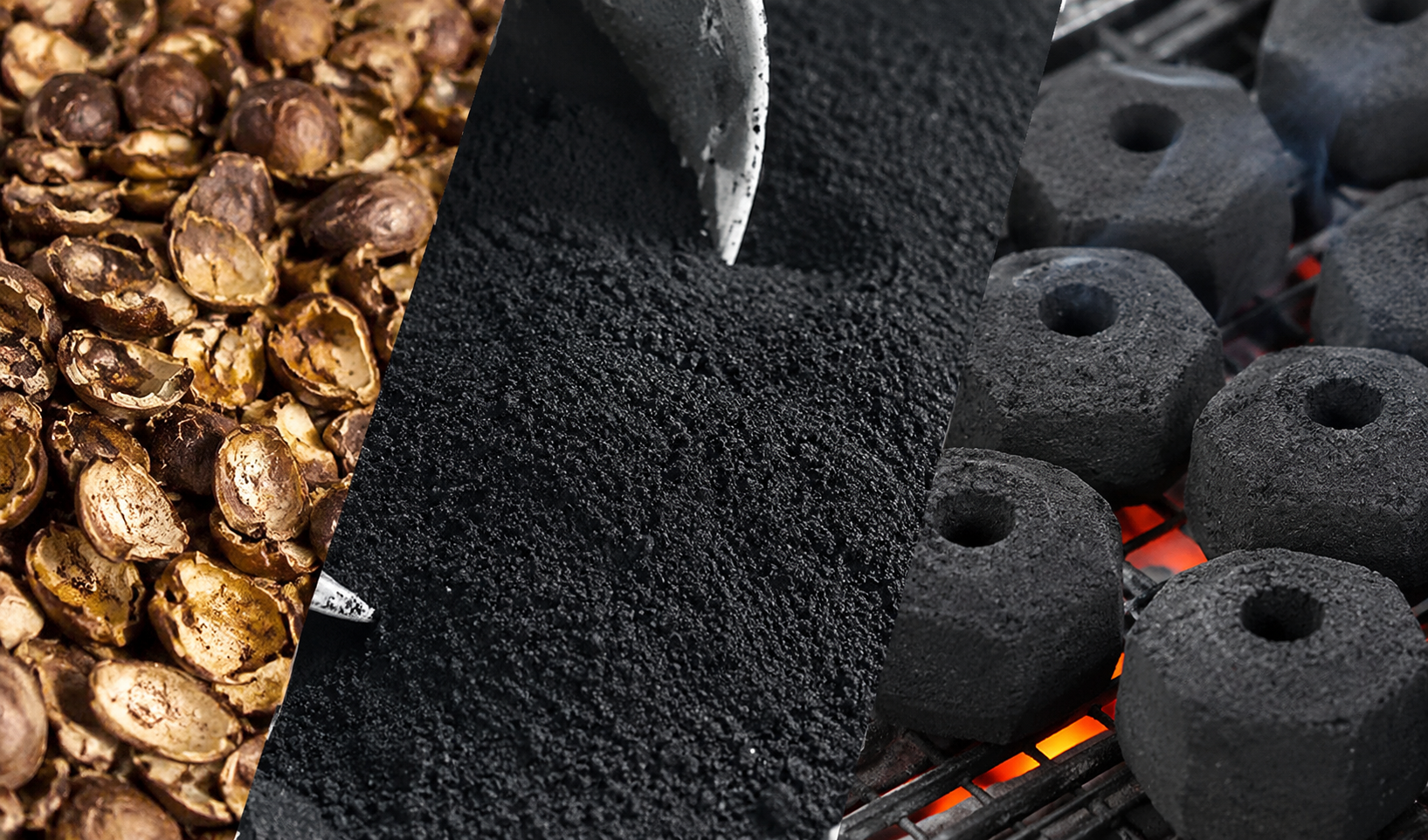
Biomass & Forestry: Sawdust, wood chips, PKS, and agricultural residues. (A critical pre-conditioning stage for Continuous Carbonization).
To achieve an optimized ROI, the rotary dryer must be synchronized within an integrated production line:
Upstream: Pre-Conditioning: For high-moisture feedstocks (>45% moisture), the dryer serves as the primary barrier, ensuring the material is stable enough for mechanical handling.
Downstream: Material Transformation:
For Carbonization: Dries biomass to $\le 15\%$ moisture to ensure a stable syngas cycle in the Continuous Carbonization Furnace.
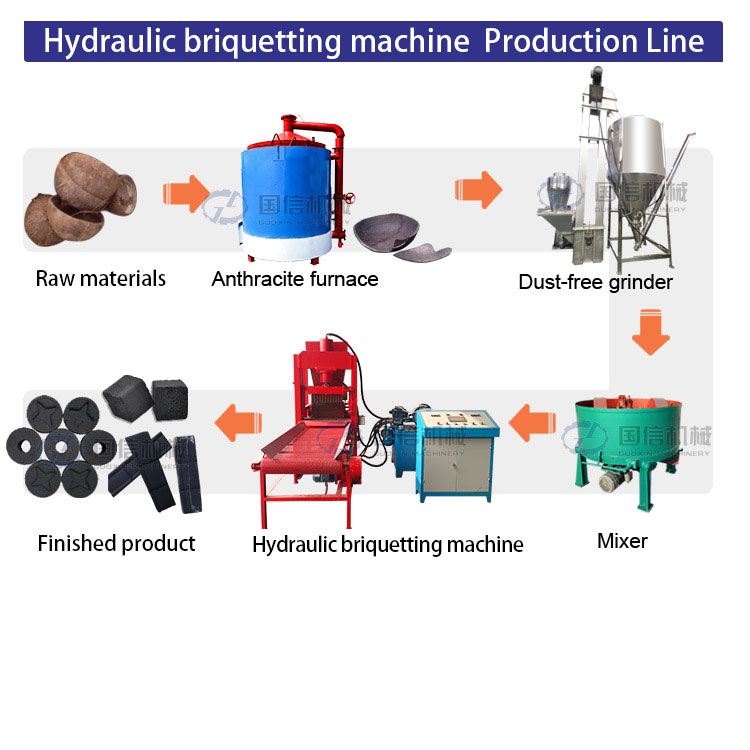
For Briquetting: Prepares mineral or coal fines for high-density forming in our Briquette Press Machines.
Drum Material: Q235B or Q345R carbon steel (Optional stainless steel liners for corrosive materials).
Heat Source Compatibility: Optimized for Natural Gas, LPG, Diesel, or recycled heat from carbonization syngas.
Dust Mitigation: Integrated cyclone and bag filter options to meet environmental emission standards.
Q1: How do you prevent material “clogging” or “balling” in high-moisture sludge applications?
A: For high-plasticity materials like sludge, we utilize a specialized internal “chain” or “scraper” system. These mechanical agitators break down clumps as the drum rotates, increasing the surface area for heat exchange and preventing the material from sticking to the drum walls.
Q2: What is the impact of particle size on drying efficiency?
A: In a rotary dryer, larger particles have a smaller surface-to-volume ratio, requiring longer residence times. We calibrate the drum’s inclination angle and rotation speed to ensure that the heat penetrates the core of the largest particles without over-drying the fines.
Q3: Can the dryer utilize waste heat from a carbonization furnace?
A: Yes. Integrating a [Continuous Carbonization Furnace] with a rotary dryer is one of the most efficient plant layouts. By ducting the excess thermal energy from the carbonization process into the dryer, you can eliminate the need for an external fuel source for the drying stage.
[Request a Thermal Efficiency Calculation: Calculate Fuel Consumption Based on Your Feedstock Moisture]
[Download Technical Layout: Integrating Rotary Dryers into High-Capacity Biochar or Mineral Lines]