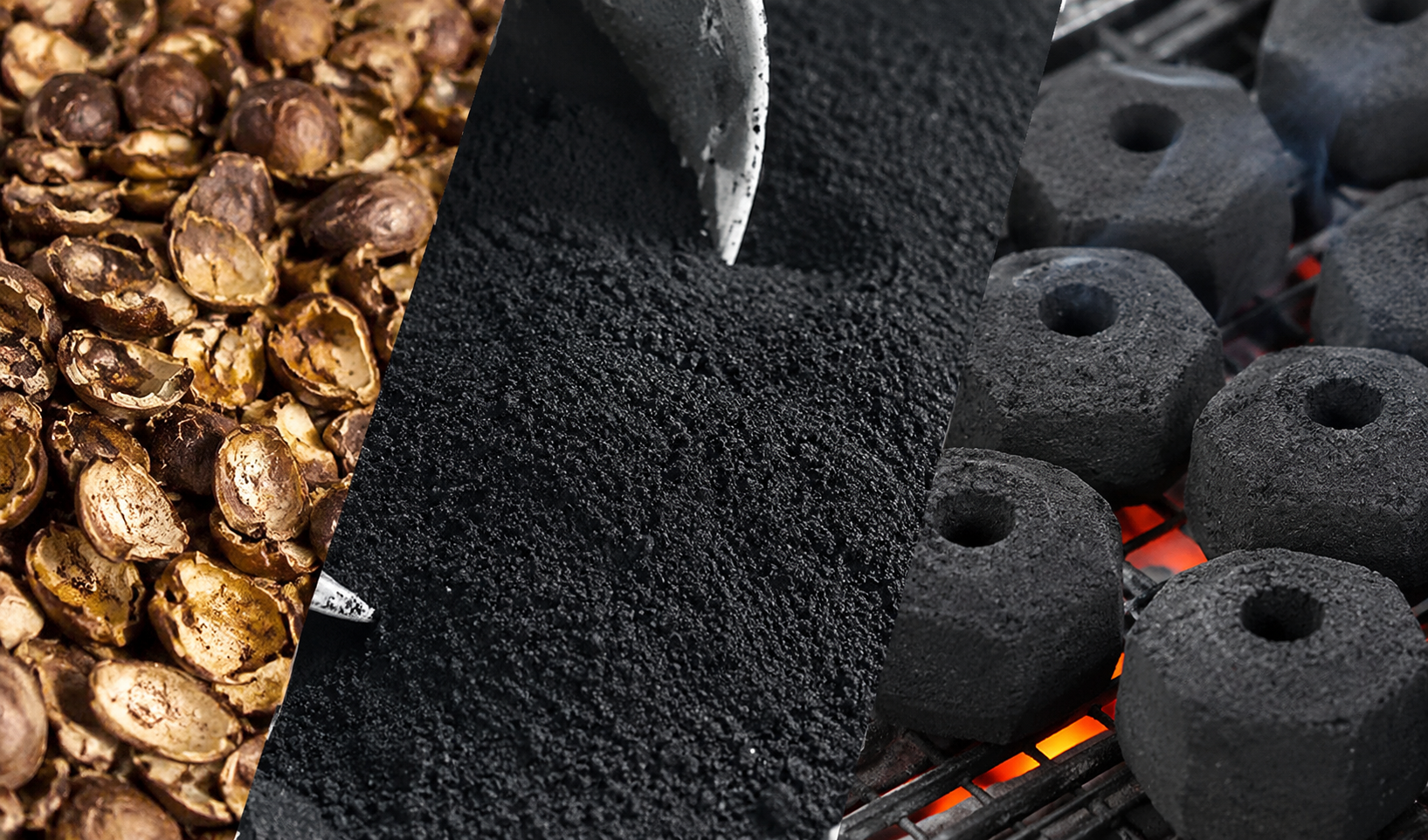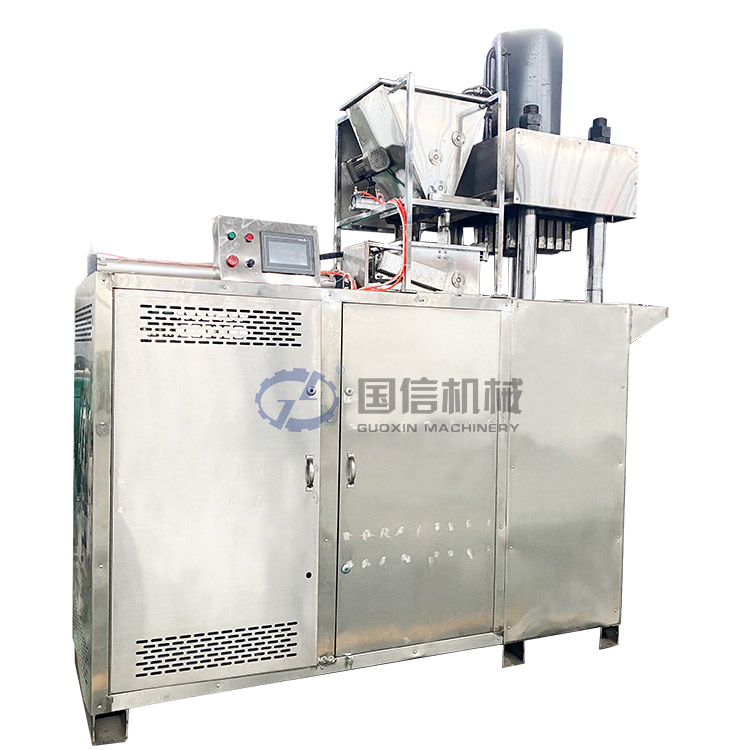
For palm oil mill operators and biomass fuel exporters, the conversion of carbonized Palm Kernel Shell (PKS) into uniform briquettes is a high-value process. Our PKS Charcoal Briquette Machine is specifically engineered to handle the high abrasive index of palm shell charcoal. By utilizing a high-torque screw extrusion or mechanical punching mechanism, this machine compacts loose PKS powder into dense fuel logs with a density of ≥1.3 g/cm³, significantly increasing the caloric value per cubic meter.
Unlike standard wood charcoal, PKS charcoal contains higher silica levels, which can lead to rapid wear in standard machinery. Our forming technology addresses this through:
Reinforced Screw Extrusion: The core screw is manufactured from specialized high-manganese alloy steel with secondary surface hardening. This allows for sustained high-pressure output even when processing dense PKS fines.
Compression Ratio Optimization: The internal sleeve is tapered precisely to maximize the physical bonding of PKS particles, ensuring the briquettes do not “mushroom” or crack after exiting the mold.
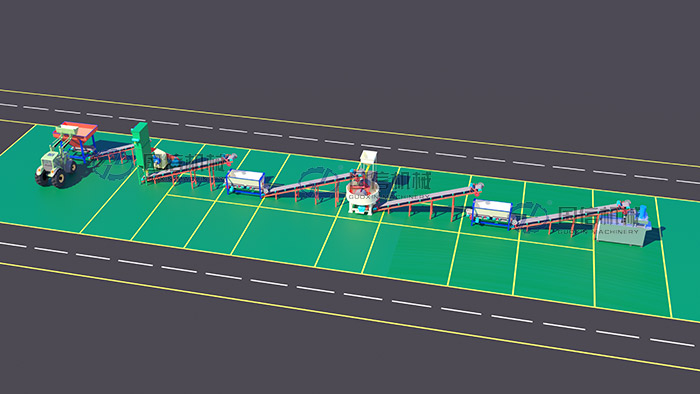
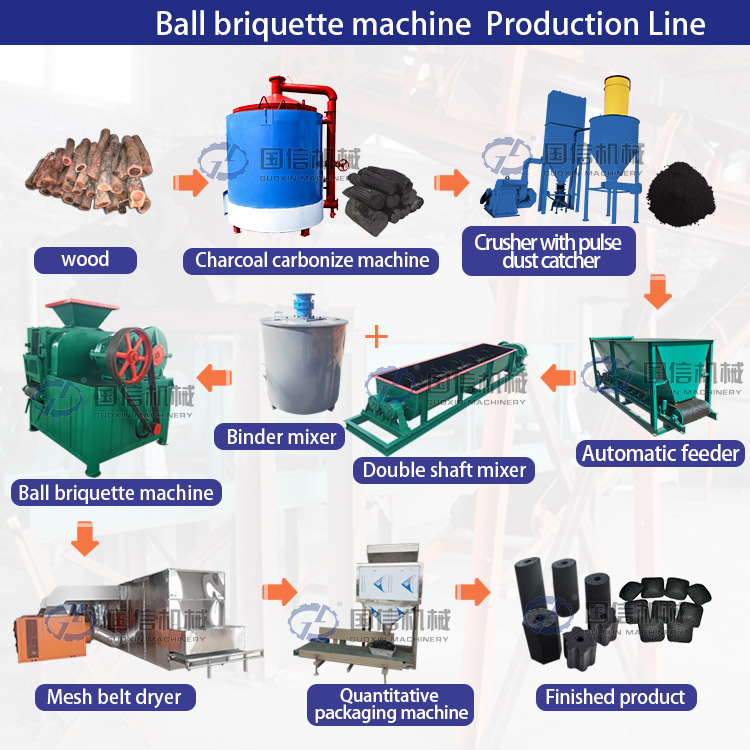
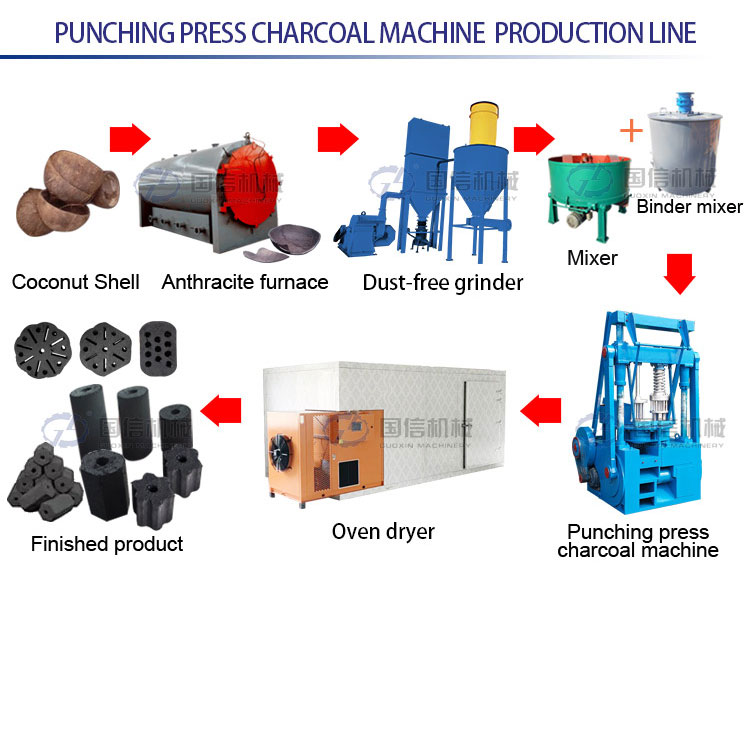
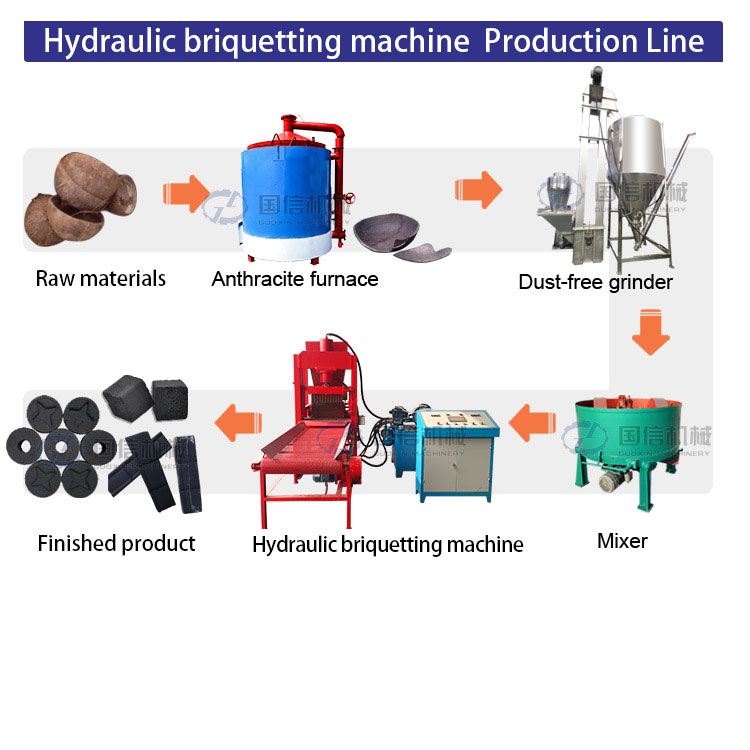
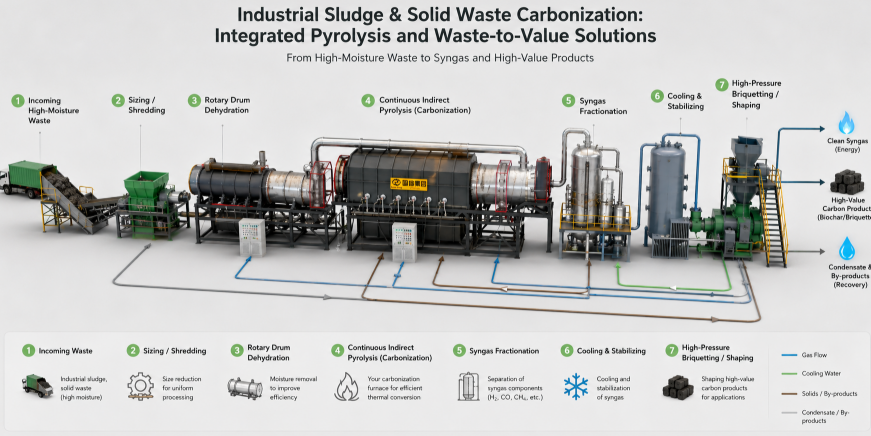
Integrated Biomass Carbonization & Charcoal Briquette Production Line
The briquette machine is the “forming stage” of the plant. To ensure export-grade quality, it must be synchronized with the following industrial modules:
Upstream Carbonization: Raw palm kernel shells are first processed through a Continuous PKS Carbonization Retort to achieve a fixed carbon content of 75%–85%.
Material Homogenization: The carbonized powder is mixed with specific binders in our double-shaft mixers to reach the optimal plasticity required for high-density pressing.
Downstream Dehydration: Freshly pressed PKS briquettes are conveyed into a Multi-Layer Drying Machine to reach a moisture level of 5%, ensuring high mechanical strength for bulk shipping.
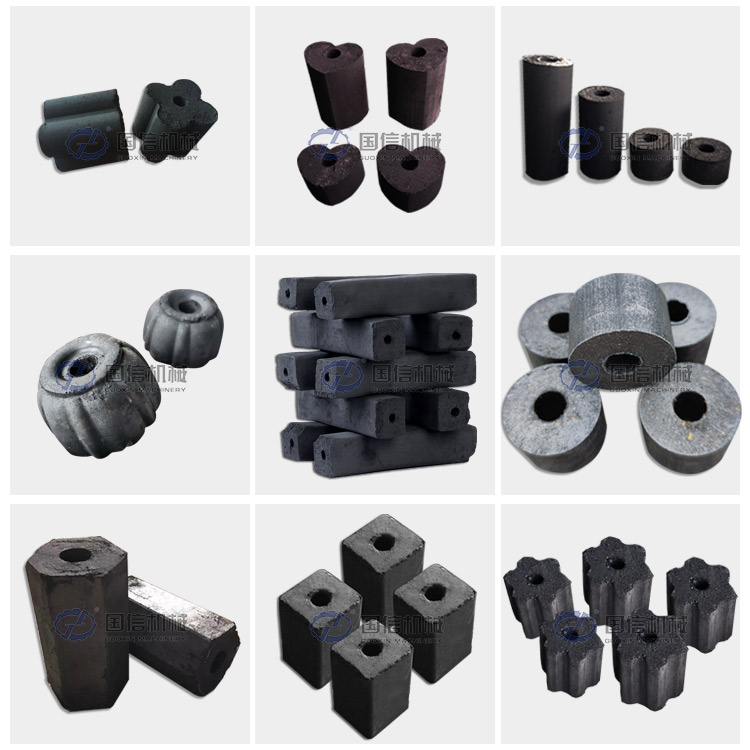
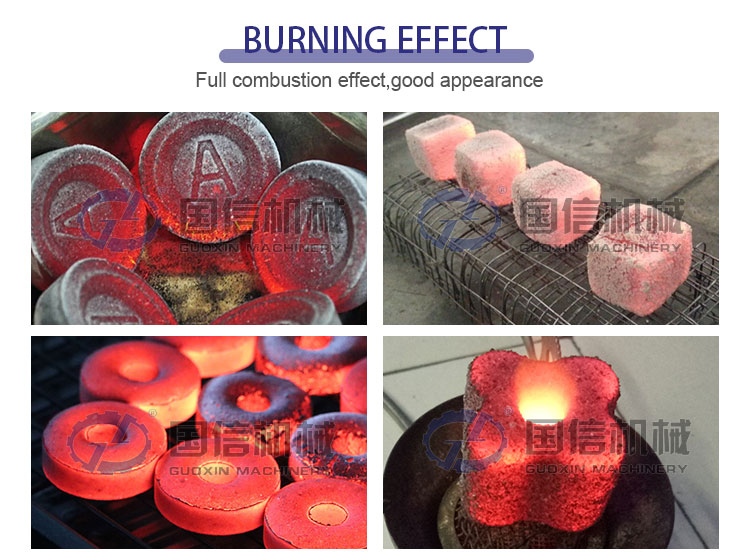
Briquette Shapes: Supports the production of hexagonal, quadrangular, or cylindrical logs with an optional center airflow hole.
High Thermal Density: The resulting PKS briquettes offer a caloric value of 6,500–7,200 kcal/kg, ideal for industrial boilers and commercial BBQ use.
Automated Cutting: Features a synchronized cutting unit to ensure uniform lengths for standardized retail or industrial packaging.
Q1: How do you handle the high wear rate associated with PKS charcoal?
A: PKS is notoriously abrasive. We use a modular screw head design and high-chromium alloy sleeves. This allows operators to replace only the high-wear sections rather than the entire assembly, significantly reducing maintenance OpEx.
Q2: What is the optimal moisture content for PKS briquette forming?
A: For PKS charcoal powder, the feed moisture should be strictly controlled between 12% and 15%. Anything higher reduces the density; anything lower increases the friction and wear on the mold.
Q3: Can this machine produce PKS charcoal for the BBQ market?
A: Yes. PKS charcoal briquettes are highly valued in the BBQ sector for their long burn time and consistent heat. By adjusting the compression force, we can achieve the “metallic clink” sound that indicates premium charcoal quality.