In global energy supply chains, mining metallurgy, and industrial resource recovery, converting loose coal fines, high-moisture brown coal, and mineral powder into high-density briquettes is essential for lowering logistics expenses and improving thermal efficiency.
Guoxin Machinery engineers and manufactures fully automated, turnkey coal briquetting lines and lignite processing equipment with production capacities scalable from 1 to 40 Tons Per Hour (TPH).
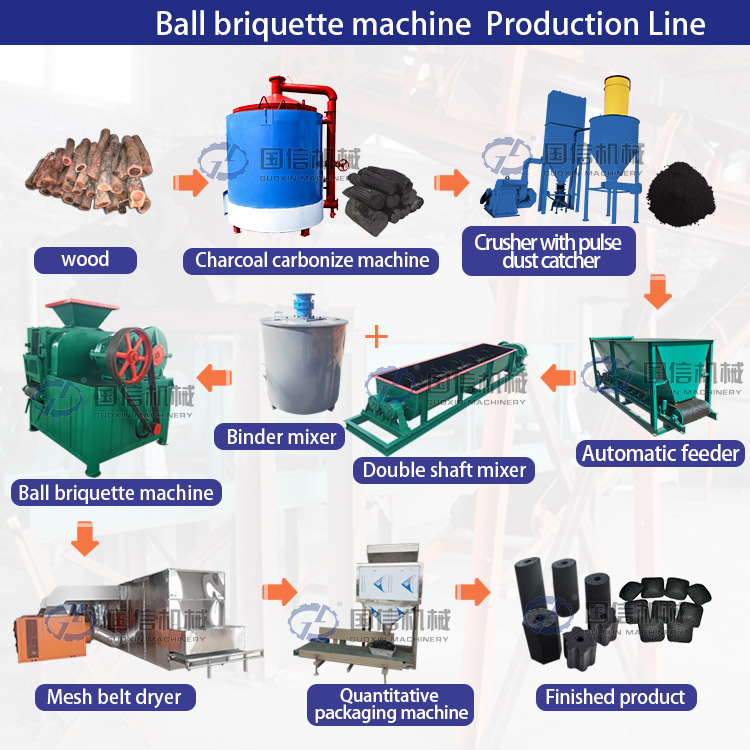
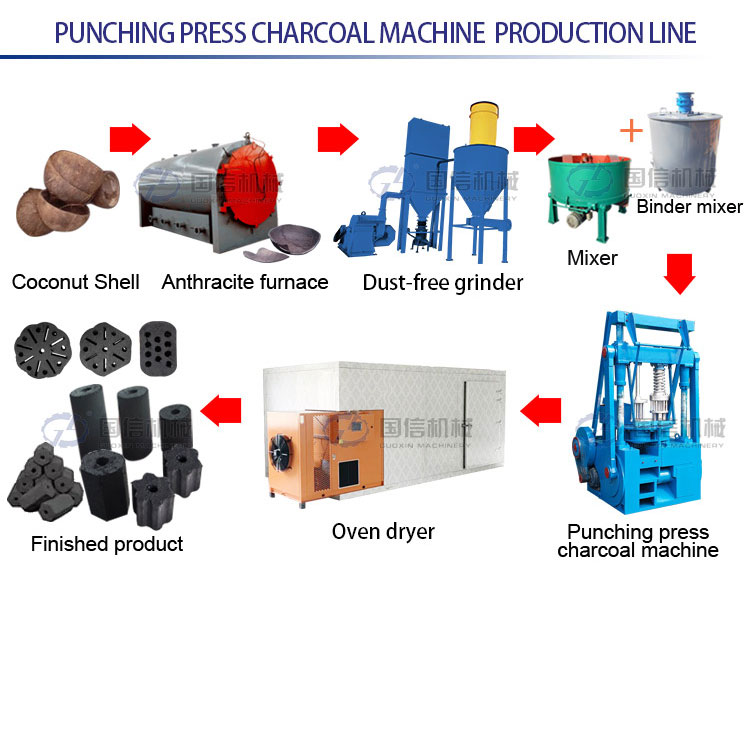
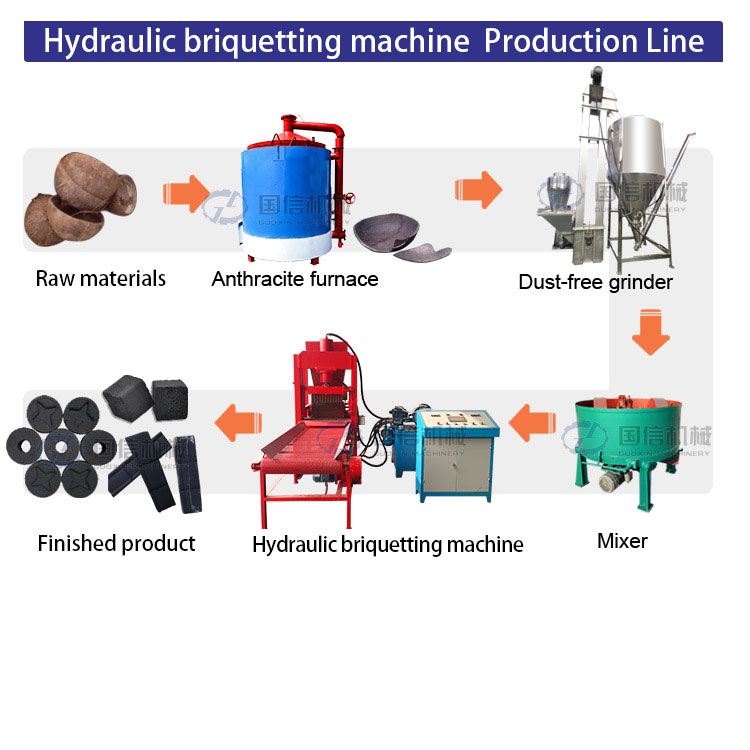
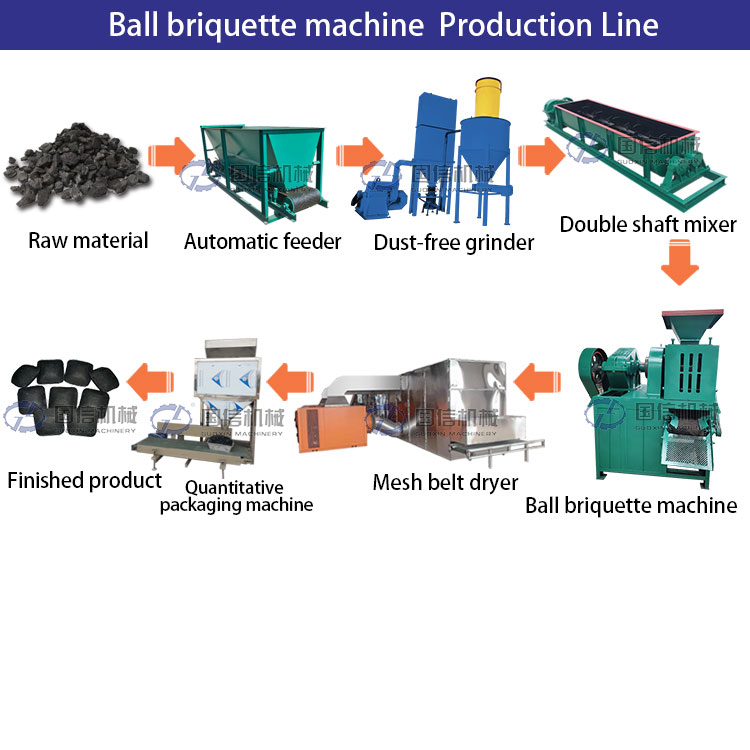
Centering on heavy-duty roller compaction and hydraulic pressing technologies, our customized plants integrate raw material pulverizing, automated binder dosing, double-shaft kneading, high-pressure molding via heavy-duty coal press machines, continuous multi-tier mesh belt drying, and automated coal pillar packing machines.
Guoxin briquetting lines are custom-calibrated based on the moisture content, particle size, and abrasiveness of your specific feedstocks:
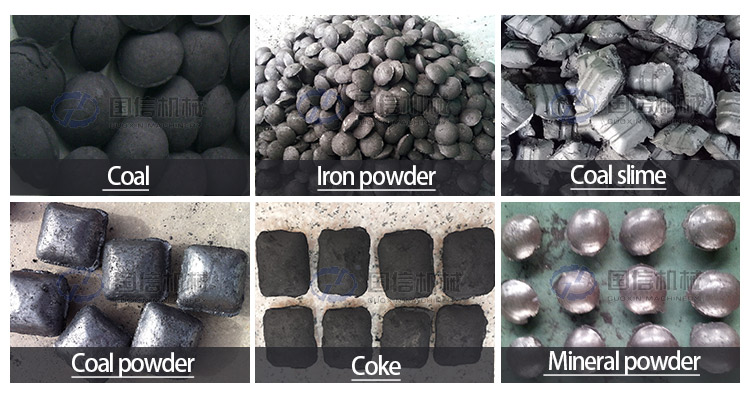
Raw & Fine Coal: Anthracite fines, bituminous coal dust, raw coal powder, and gasification ash.
Lignite & High-Moisture Feedstock: Brown coal (lignite), washed coal slurry, and raw coal slime.
Metallurgical & Energy Dust: Metallurgical coke breeze, iron powder, iron ore fines, mill scale, and mineral powder.
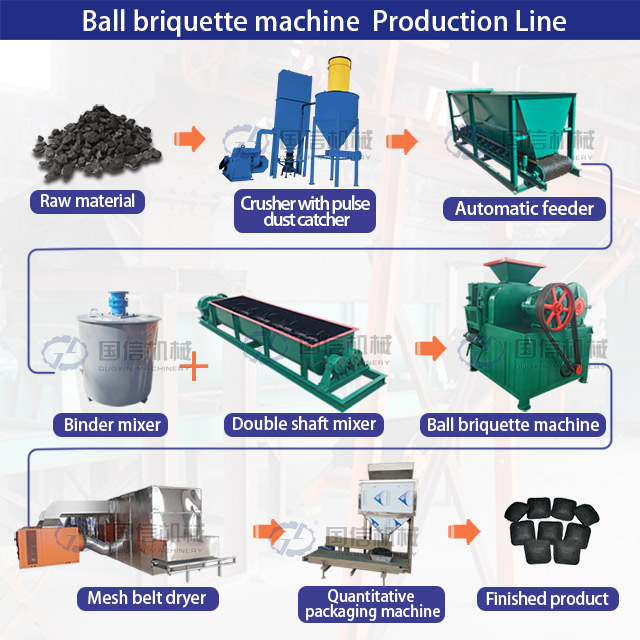
A continuous industrial briquetting line requires synchronized mechanical operation to ensure non-stop feeding, optimal binding, high compaction density, and efficient packaging:
[Raw Feedstock] ➔
[Step 1: Pulverizing with Dust Removal] ➔
[Step 2: Automated Feeding] ➔
[Step 3: Dual Binder Mixing] ➔
[Step 4: Heavy-Duty Coal Pressing] ➔
[Step 5: Multi-Layer Mesh Belt Drying] ➔
[Step 6: Quantitative Packaging] ➔ [Finished Briquettes]
Step 1: Crusher with Pulse Dust Catcher
Bulk coal or lignite chunks are pulverized to ≤ 3 mm particle size using an industrial hammer mill equipped with an environmental pulse dust catcher to keep workshop environments dust-free.
Step 2: Automatic Feeder & Hopper
Crushed powder is transferred into an automated feeding bin with adjustable speed regulation, delivering a smooth, continuous flow to the processing line.
Step 3: Binder Mixer & Double-Shaft Intensive Mixing
A dedicated binder mixer introduces exact proportions of liquid or dry binder. The mixture then passes through a double-shaft paddle mixer for intensive kneading, ensuring flawless binder absorption and uniform moisture dispersion.
Step 4: High-Pressure Compaction via Coal Press Machine
The homogenized material flows directly into the feed inlet of the heavy-duty coal press machine. Powered by high-torque gear reducers and counter-rotating alloy roller sleeves, the material is compressed under 20 to 50 tons of linear force into solid pillow, oval, or square shapes.
Step 5: Continuous Multi-Layer Mesh Belt Dryer
Freshly molded green briquettes are automatically conveyed into a continuous multi-layer mesh belt dryer, where controlled hot air circulation systematically reduces internal moisture to ≤ 5%.
Step 6: Automated Coal Pillar & Briquette Packing Machine
Dry briquettes pass to an automated quantitative packaging machine for exact weight dosing and fast bagging into bulk bags or commercial cartons.
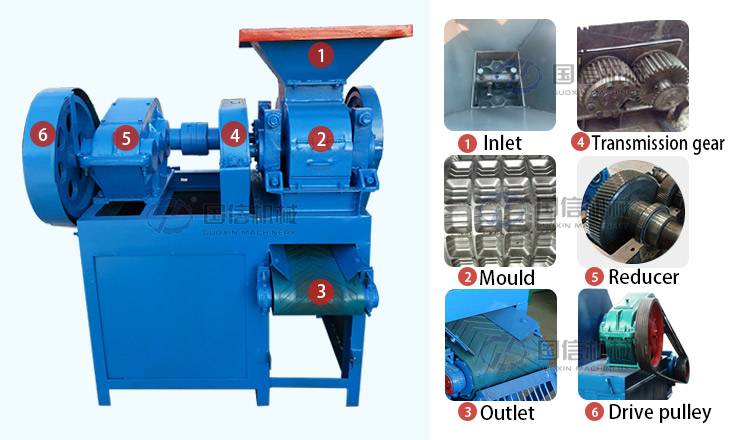
Our industrial coal press machine is engineered with heavy-duty structural components built for continuous 24/7 industrial operation:
Heavy-Duty Inlet Feed Throat: Designed with anti-bridging geometry to allow smooth powder entry without clogging.
Precision Forged Alloy Mould (Roller Sleeves): Precision CNC-machined from 65Mn or 9Cr2Mo forged alloy steel, treated with vacuum hardening for maximum wear resistance.
Discharge Outlet Conveyor: Integrated durable belt conveyor that transfers delicate green briquettes without breakage.
Heavy-Duty Transmission Gear Set: Forged steel transmission gears deliver synchronized counter-rotation to the dual rollers under maximum pressure loads.
High-Torque Speed Reducer: Heavy industrial gearboxes ensure consistent torque transfer while minimizing energy loss.
Drive Pulley & Belt System: Industrial motor drive system equipped with safety guards for stable speed control.
| Equipment Parameter | GX-BP10 Compact Line | GX-BP40 Industrial Turnkey Plant |
| Production Capacity | 1 – 5 Tons / Hour (TPH) | 10 – 40 Tons / Hour (TPH) |
| Primary Machine Type | Compact Roller Press / Briquetting Line | Heavy-Duty Lignite Processing Line |
| Roller Working Pressure | 20 – 30 Tons (Adjustable) | 40 – 50 Tons (Hydraulic Station) |
| Available Briquette Shapes | Pillow, Egg, Oval, Square, Cylinder | Pillow, Egg, Oval, Square, Cylinder |
| Mould Sleeve Metallurgy | High-Manganese Steel (65Mn) | Vacuum Hardened 9Cr2Mo Forged Steel |
| Drying & Packing Integration | Mesh Belt Dryer + Manual Bagging | Multi-Layer Dryer + Automated Packing Machine |
| Line Automation Level | Centralized Panel Control | Fully Automated Siemens PLC System |
Q1: How does Guoxin lignite processing equipment handle raw brown coal with high initial moisture?
A: Raw lignite and coal slurry often carry moisture levels above 25%–30%. For high-moisture lignite processing, we integrate a Rotary Drum Dryer at the absolute front of the line to reduce raw moisture to the optimal 10%–15% range before the material hits the mixing and pressing stages.
Q2: What type of binder works best for high-pressure coal briquetting?
A: For industrial fuel coal and lignite briquettes, inorganic binders such as bentonite, quicklime, or liquid sodium silicate (water glass) are widely used due to their low cost and high thermal stability during combustion in industrial boilers.
Q3: Can the coal press machine mold rollers be customized for special shapes or logos?
A: Yes. Roller pocket sleeves can be CNC-milled to produce pillow shapes, oval balls, square cubes, or custom company logos according to your exact target market requirements.
Upgrading your coal processing facility or building a new turnkey briquetting plant?
Contact Guoxin Machinery’s engineering team today for: