Industrial Powder Briquetting Solution
In large-scale industrial operations, the accumulation of fine powders, dust, and residues presents significant challenges in transport, environmental compliance, and material loss. Industrial Roller Briquetting (Ball Pressing) is the definitive mechanical solution for converting these loose fines into high-density, standardized briquettes. By applying high-pressure compression, these systems enable resource recovery for smelting, high-efficiency combustion, and dust-free logistics.
Guoxin Machinery provides turnkey briquetting plant solutions engineered for the specific physical and chemical properties of metallurgical, chemical, and energy-sector feedstocks.
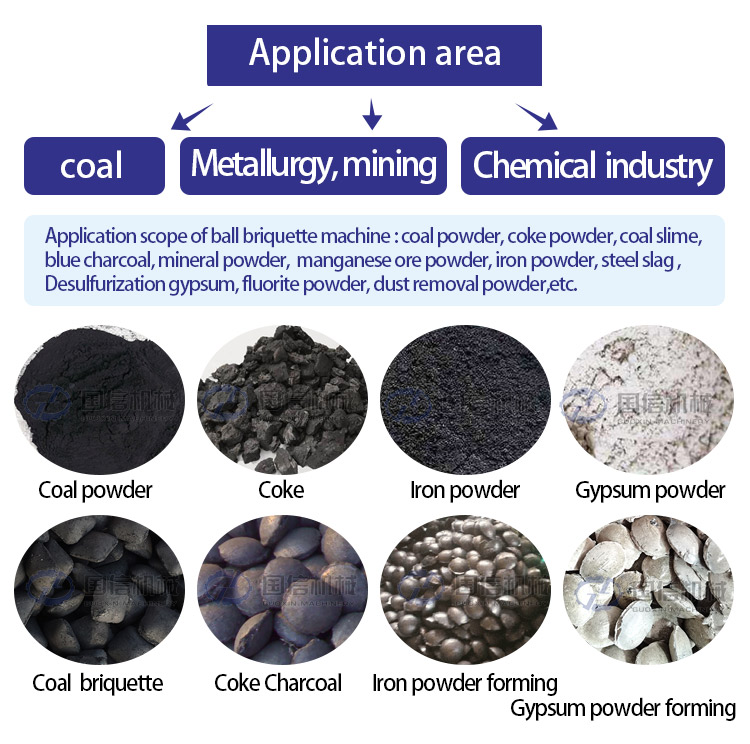
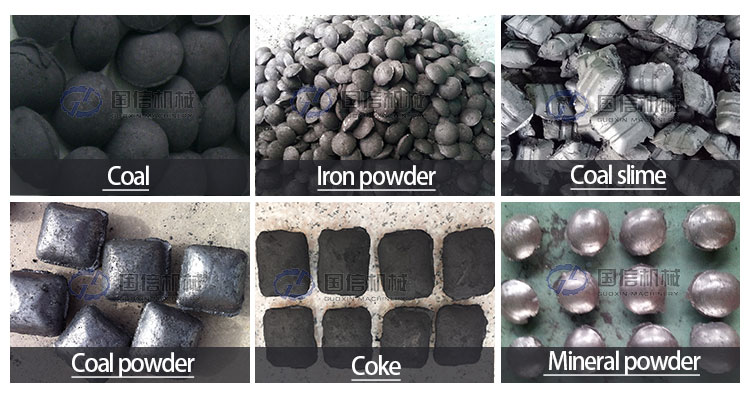
Our high-pressure briquetting systems are calibrated to handle diverse industrial powders, transforming waste into furnace-ready or retail-grade assets:
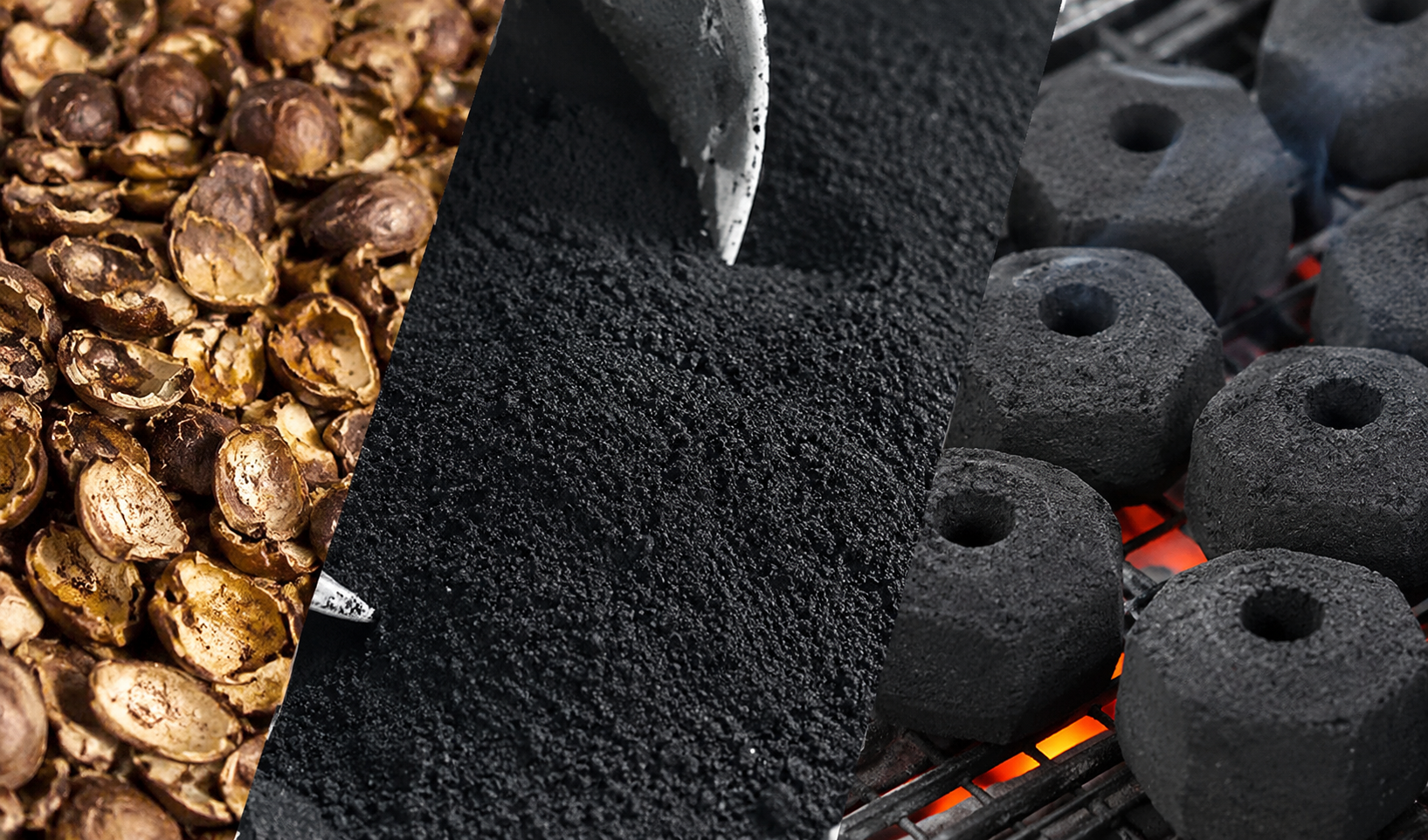
Coal & Carbon Products: Coal fines, anthracite, lignite (brown coal), coke breeze, charcoal powder, and soot.
Metallurgical & Mineral Fines: Iron ore fines, manganese powder, chrome ore, fluorspar (fluorite), silicon-manganese alloys, and mill scale.
Environmental & Industrial Waste: Desulfurization gypsum (FGD gypsum), blast furnace dust, converter sludge, magnesium powder, aluminum ash, and lead-zinc residues.
Chemical & Refractory Materials: Quicklime (CaO), dolomite, activated carbon, and refractory fines.
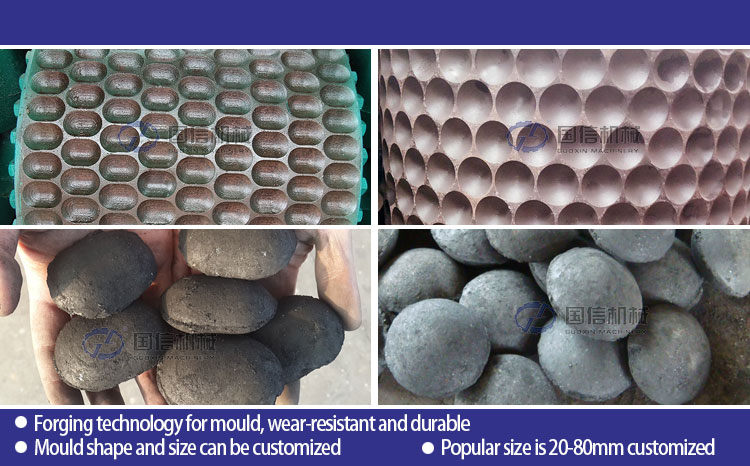
A professional briquetting line is a synchronized ecosystem designed to achieve high mechanical strength (Cold Crushing Strength – CCS) and stable density.
Successful briquetting depends on the homogenization of the feedstock.
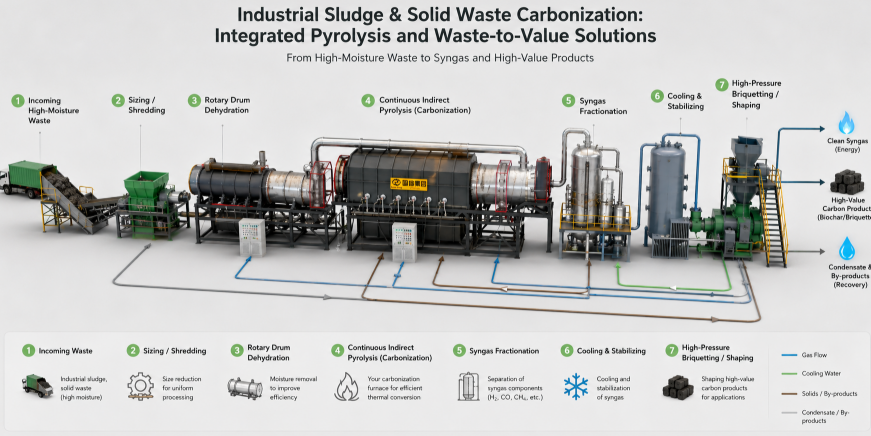
Moisture Management: If raw materials are too wet (), they are pre-conditioned using a Rotary Drum Dryer.
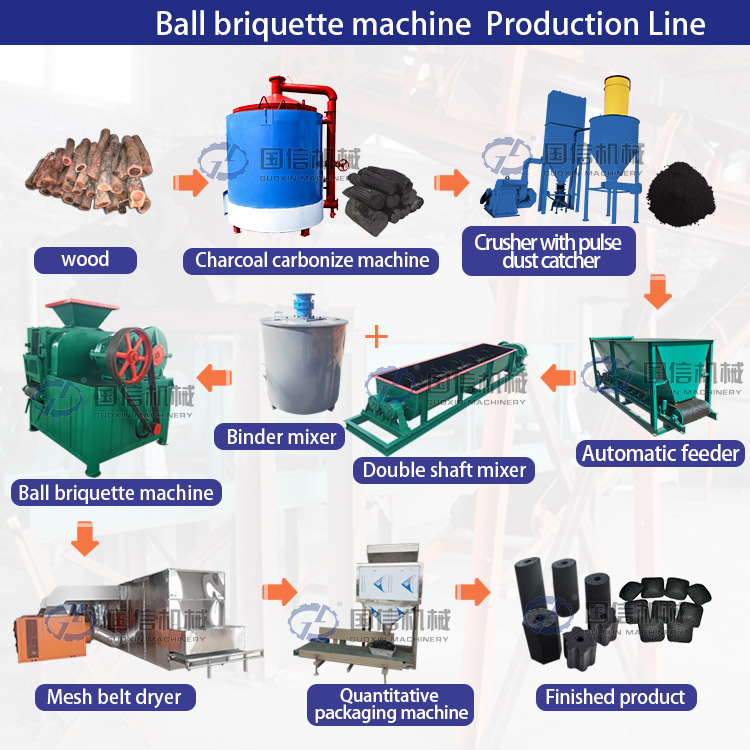
Binder Integration: Raw fines are metered into a Double-Shaft Mixer where binders (bentonite, lime, or liquid polymers) and controlled moisture are introduced. The high-torque paddles ensure every particle is coated, which is essential for the bridge-bonding during compression.
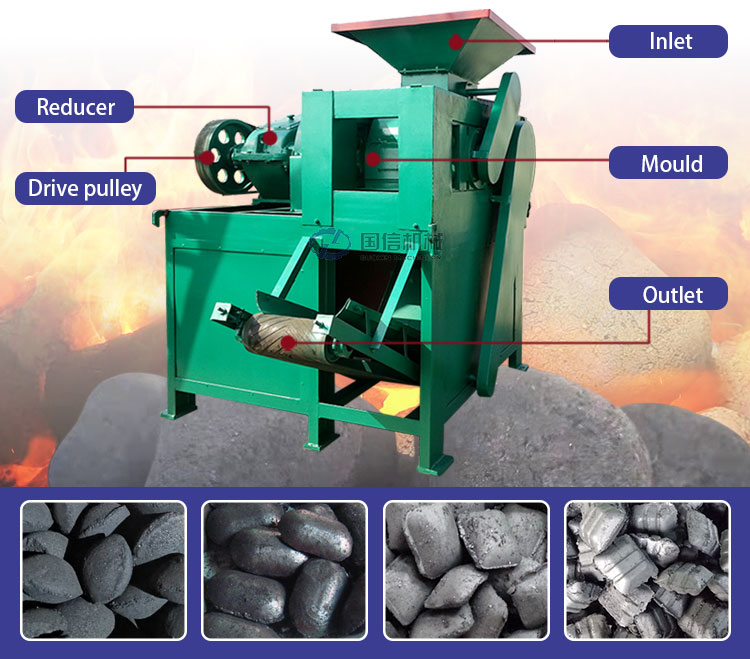
The Roller Ball Press Machin utilizes two counter-rotating rollers to compress the mixture.
Force-Feeding: For light or fluffy powders, a vertical screw feeder degasses the material before it reaches the rollers, preventing internal air pockets.
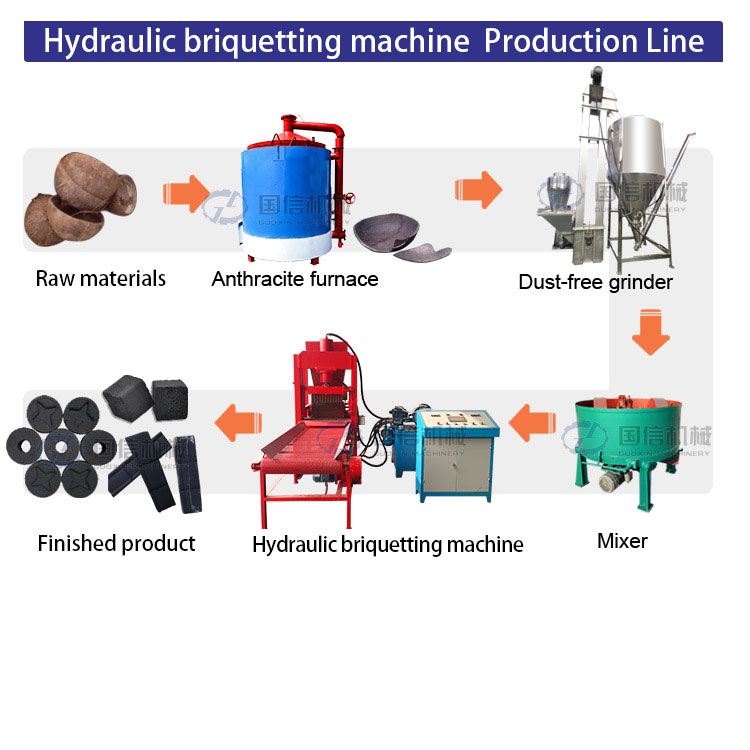
Hydraulic System: High-tonnage hydraulic stations maintain constant pressure on the rollers, ensuring consistent briquette density even during fluctuating feed rates.
Durability: We utilize roller liners manufactured from 9Cr2Mo or 65Mn alloy steel for maximum wear resistance against abrasive mineral powders.
Freshly pressed briquettes are passed over a Vibratory Screen or Rotary Screen. Any broken fragments or “fines” are automatically redirected back to the mixing stage, ensuring 100% material utilization.
Depending on the binder used, the briquettes may require hardening:
Mesh Belt Dryer: Used for post-forming drying. This multi-layer system gently removes moisture from the finished balls without mechanical impact, “locking” the chemical bonds of the binder.
Direct Charging: For certain metallurgical applications (dry-pressing), briquettes may be sent directly to the furnace.
Standardized briquettes are conveyed to silos or automated bagging stations for bulk transport.
Coal Briquetting Line: Feedstock → Mixing → Ball Pressing → Screening → Mesh Belt Dryer → Finished Product.
Mineral Powder Line: Fine Powder Bin → Mixer → High-Pressure Hydraulic Press → Screening → Direct Smelting.
FGD Gypsum Line: Rotary Pre-Dryer → Mixer → Ball Pressing → Hardening → Construction Material Reuse.
Q1: What is the ideal moisture content for mineral powder briquetting?
A: Moisture acts as a lubricant and a bonding agent. Most mineral and coal fines require a narrow window of 8%–12% moisture. Excess moisture causes “clinging” to the roller molds, while insufficient moisture leads to low briquette strength and high dust rates.
Q2: When should I use a Rotary Dryer versus a Mesh Belt Dryer?
A: This is a mechanical distinction: Rotary Drum Dryers are used for loose, bulk material before pressing (to handle high moisture feedstock). Mesh Belt Dryers are used after pressing to dry the formed briquettes, as their stationary drying logic prevents the fresh, soft balls from breaking.
Q3: How do I choose between Mechanical and Hydraulic pressure for my ball press?
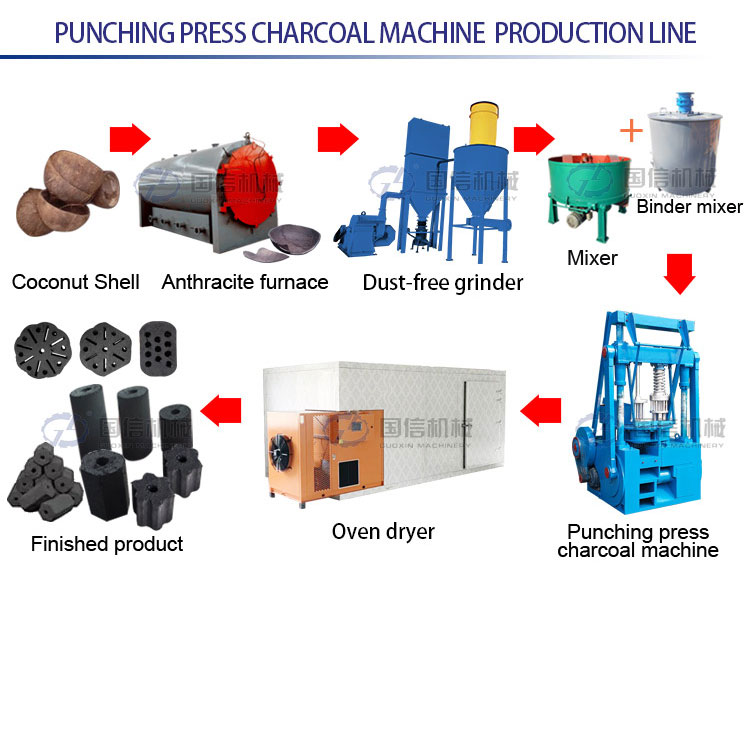
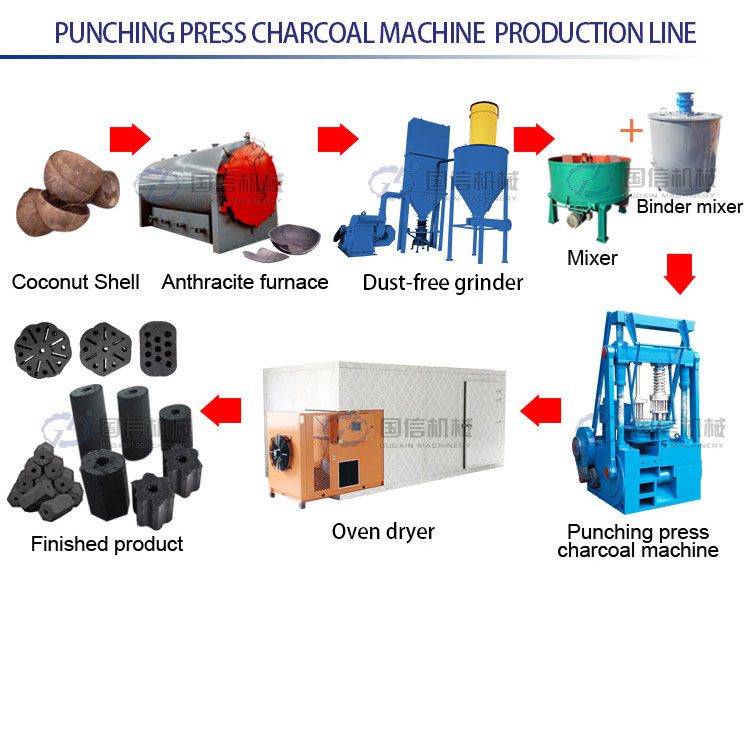
A: Mechanical presses are suitable for coal and charcoal where lower pressure is sufficient. Hydraulic presses are mandatory for minerals (Iron, Manganese, Gypsum) that require intense tonnage to overcome the elastic limit of the metallic or mineral particles.
Q4: Do all materials require a binder?
A: Not all. Some materials with high plasticity or specific moisture levels (like certain lignites or high-pressure dry lime) can be pressed “binderless.” However, most mineral fines require a binder ratio to ensure the briquettes survive the “drop test” during industrial handling.
[Request a Thermal & Pressure Analysis: Calculate Your Tonnage and Binder Requirements]
[Download Plant Layouts: Integrating Ball Presses with Drying and Mixing Systems]