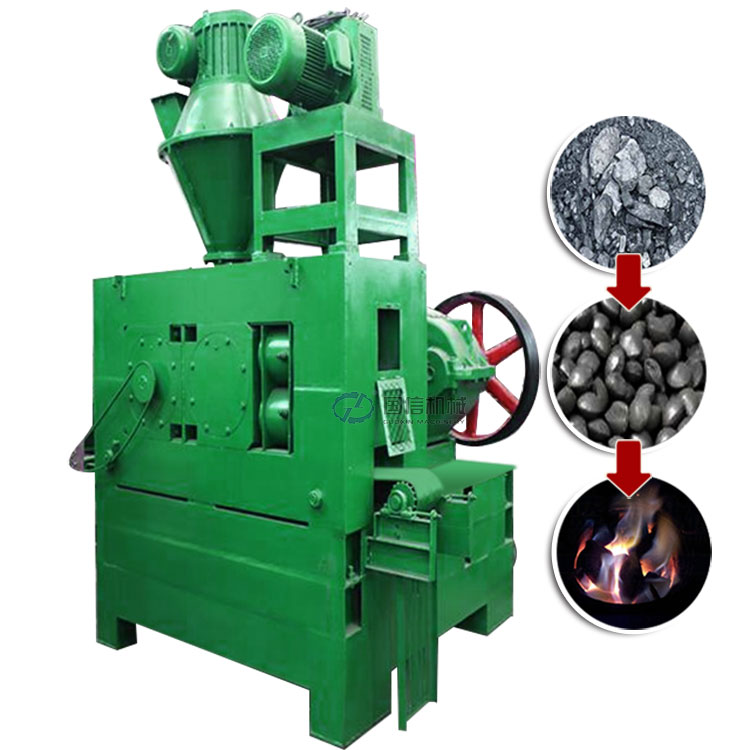
The primary challenge in aluminum recycling and smelting is the efficient processing of aluminum powder, chips, and fines. Due to their low bulk density and high surface area, loose aluminum fines suffer from significant oxidation losses during melting. Our Aluminum Powder Briquetting Press utilizes high-pressure double-roller technology to compact these fines into dense, uniform briquettes. This process facilitates easier handling, reduces dust hazards, and ensures that the metal sinks into the melt, significantly increasing the overall recovery rate in the furnace.
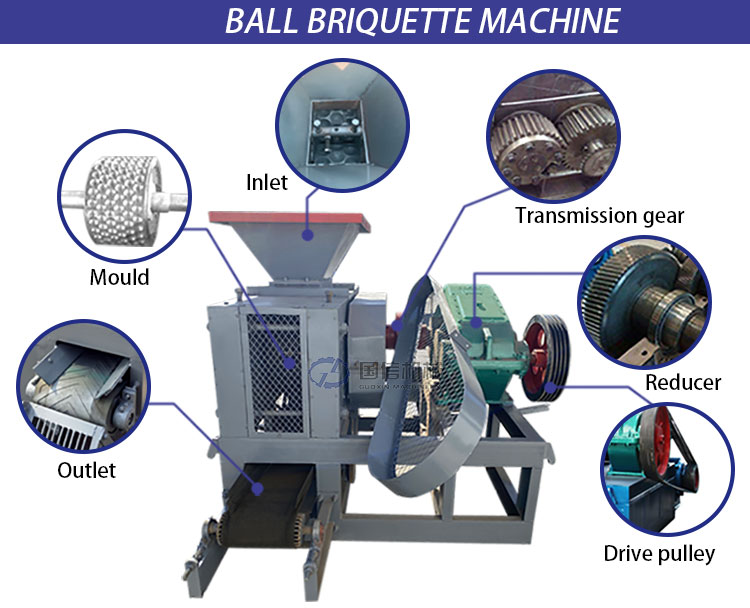
Aluminum Powder Briquetting Press
Aluminum powder requires a specialized approach to briquetting due to its material properties and safety considerations:
High-Pressure Hydraulic Tonnage: To achieve the necessary density for smelting (≥2.0g /cm³ depending on purity), our press utilizes a heavy-duty hydraulic station to provide consistent, adjustable tonnage to the rollers.
Oxidation Control: The cold-pressing mechanism creates a dense physical bond without the need for high-temperature treatment, preserving the chemical purity of the aluminum scrap.
Wear-Resistant Roller Alloys: Aluminum fines can be abrasive. We utilize 9Cr2Mo or High-Chromium alloy rollers, precision-machined to ensure a clean release and a 95%+ formation rate for every cycle.
The briquetting press is the forming core of a metal recovery facility. To maximize ROI, the process must be synchronized with material preparation:
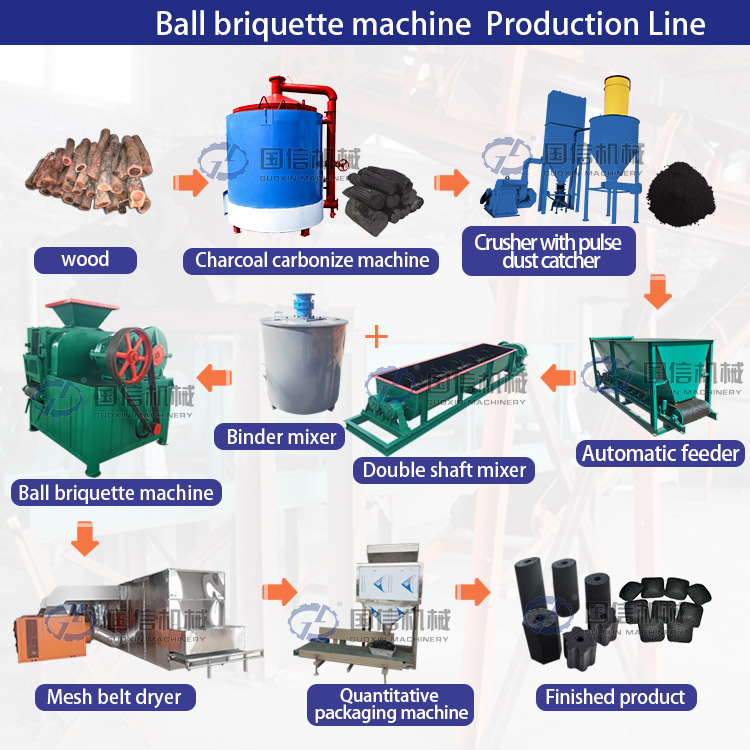
Upstream: Homogenization & Binding: To ensure structural integrity, aluminum fines are often mixed with a specialized liquid or powder binder. Our Double-Shaft Mixers provide the uniform blending required to ensure each briquette reaches its peak “drop strength” for industrial transport.
Downstream: Curing & Dehydration: If a liquid binder is utilized, the briquettes must be cured to reach full hardness. Passing them through a Drying System at controlled temperatures ensures the final product is moisture-free—a critical safety requirement before being introduced into a smelting furnace.
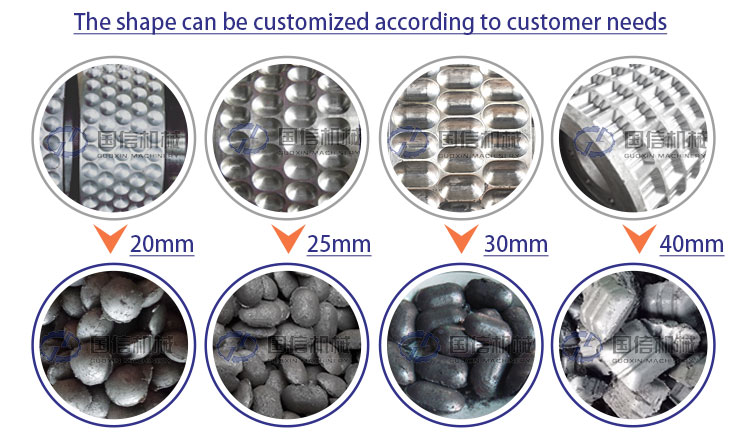
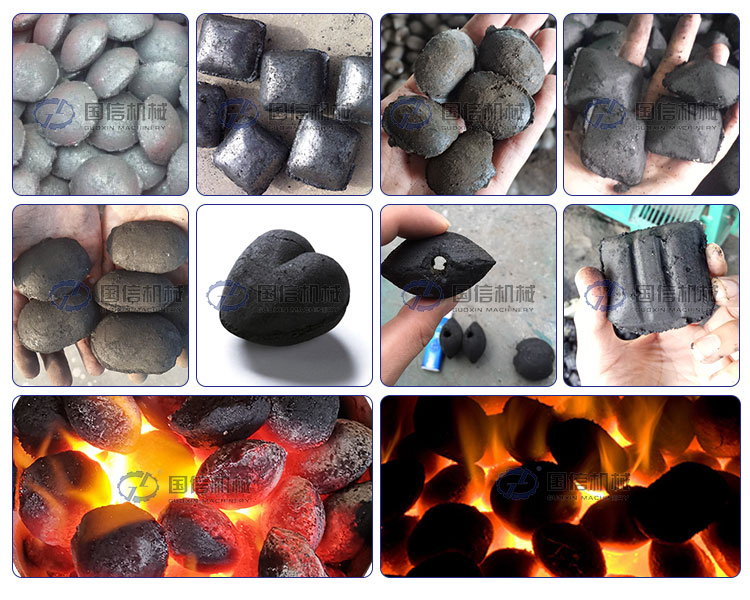
Briquette Shapes: Pillow, oval, or round shapes (20mm–50mm) are standard. Customized mold cavities can be engineered to match specific furnace charging systems.
Force-Feeding System: For light aluminum powder, an integrated screw feeder degasses the material, ensuring the roller cavities are filled for maximum density.
Safety Engineering: Designed for continuous operation with integrated cooling systems to maintain oil viscosity in high-tonnage hydraulic circuits.
Q1: Why is briquetting necessary for aluminum powder smelting?
A: Loose aluminum powder has a high surface-to-volume ratio, leading to high “burn loss” in the furnace. By compacting the powder into a dense briquette, you minimize the surface area exposed to oxygen and ensure the metal reaches the molten bath quickly, increasing recovery by 10%–20%.
Q2: What is the maintenance cycle for rollers when pressing metal fines?
A: Aluminum is less abrasive than coke, but the high pressures required for metal bonding still cause wear. Our alloy rollers typically require inspection or resurfacing after 1,000–1,500 tons, depending on the feedstock purity and pressure settings.
Q3: Can the machine handle other metal fines like magnesium or copper?
A: Yes. The roller press technology is highly versatile. However, the compression ratio and binder requirements differ for each metal. We calibrate the hydraulic tonnage and roller cavity design based on the specific density of your metal scrap.
Request a Technical Comparison: High-Pressure Briquetting vs. Traditional Baling for Metal Fines