Factory Trial: High-Pressure Iron Powder Rebar-Shaped Briquetting Machine

Release time:26-09-16
If you have any questions, feel free to consult us at any time.

Get a quote


Trial Overview

  • Trial Date: September 15, 2026

  • Location: Guoxin Equipment Assembly Workshop

  • Target Raw Material: Fine Iron Powder, Mill Scale, Sponge Iron Fines

  • Equipment Type: Heavy-Duty Roller Press with Custom Rebar Die Sleeves

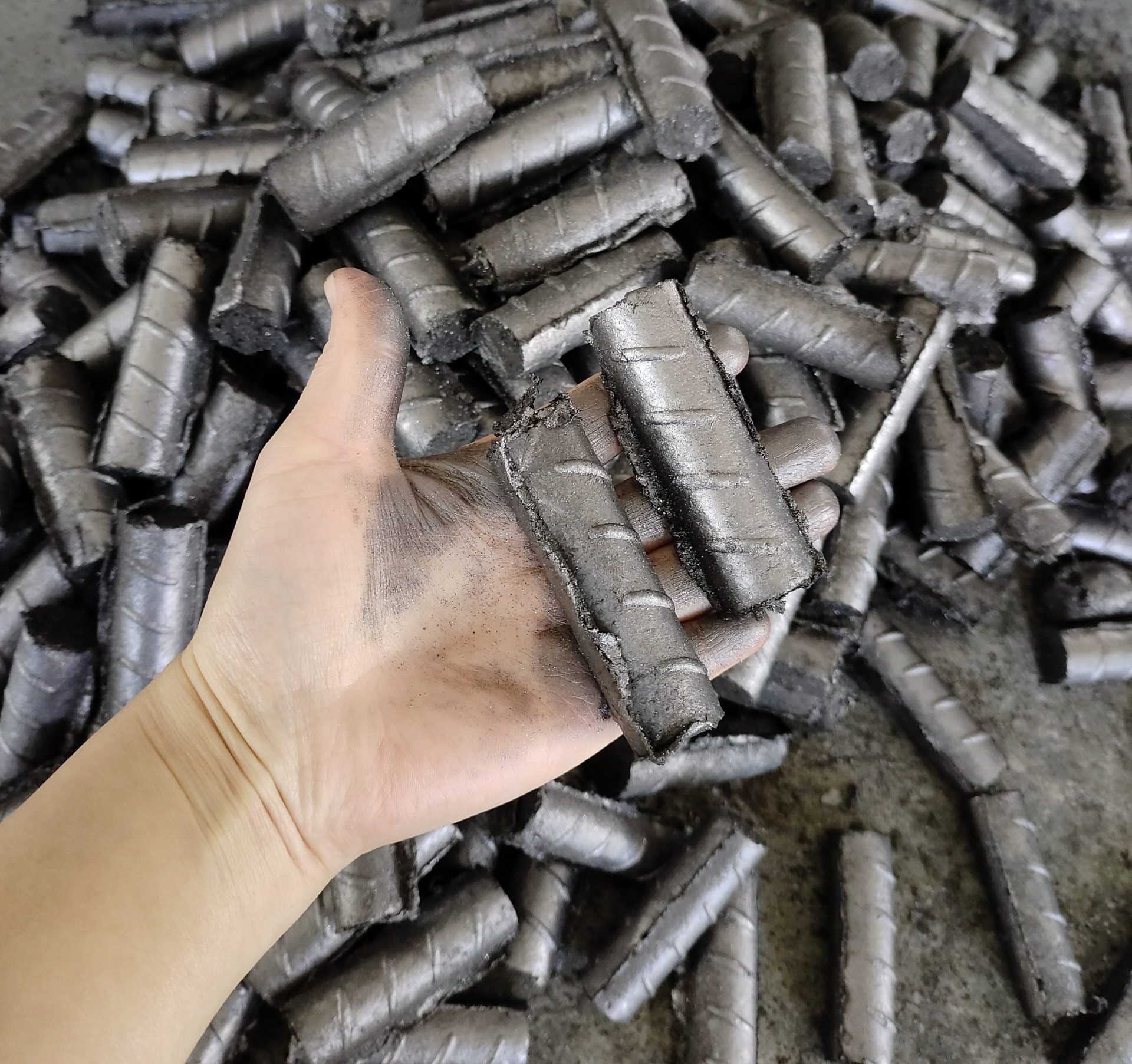
  • Finished Product: Rebar-Shaped Metallic Briquettes (Ribbed Surface)

  • Main Application: Electric Arc Furnace (EAF) & Induction Furnace Charging


1. Metallurgical & Solution


Directly charging loose iron powder, mill scale, or flue dust into melting furnaces creates severe operational issues for steel mills and foundries:

  • High Material Loss: Thermal updrafts inside the furnace blow lightweight iron fines into the dust collection system before melting occurs.

  • Refractory Damage & Splashing: Loose dust floats on top of slag layers, delaying heat transfer and causing erratic bath boiling.

Compacting iron powder into dense, rebar-shaped briquettes resolves these problems. The high bulk density allows briquettes to sink immediately into the molten metal bath, maximizing metallic yield and shortening heat times.

Iron Powder Rebar-Shaped Briquetting Machine

2. On-Site Trial Workflow


The September 15 factory testing demonstrated a complete material preparation and compaction process:

[Fine Iron Powder & Binder] ➔ [Heavy Wheel-Pan Mixer] ➔


[Custom Hopper Feed] ➔ [Rebar-Molded Roller Press] ➔


[Grizzly Chute Separation] ➔ [High-Density Rebar Briquettes]


Process Details Verified During Testing:

  • Wheel-Pan Grinding & Mixing: Iron fines and binder were thoroughly kneaded in a wheel-pan mill to break up agglomerates and evenly distribute moisture across all particle surfaces.
  • Forced Feed & Compaction: The conditioned iron mixture was poured into the feeding hopper of the roller press. The counter-rotating 9Cr2Mo forged alloy roller sleeves—machined with custom rebar thread cavities—compressed the powder into solid rebar segments.
  • Screening & Handling: Finished rebar-shaped briquettes discharged over an inclined slatted chute. Minor loose dust fell through the screen bars while intact rebar briquettes collected at the discharge point.
  • Green Strength Verification: Hand inspection immediately after pressing showed sharp surface ribs, high structural density, and strong resistance to impact upon dropping onto concrete.


3. Machine Technical Specifications


Parameter Factory Test Configuration
Machine Model Heavy-Duty Metal Powder Roller Press
Roller Sleeve Material 9Cr2Mo Forged Alloy Steel (CNC Engraved)
Briquette Geometry Cylindrical Rebar Segment (Threaded / Ribbed)
Feeder Type Gravity / Forced Screw Feed Hopper
Binder Requirement Water-soluble liquid binder (1%–3%)
Discharge System Integrated Slatted Screening Chute


4. Key Performance Results


  1. High Mechanical Density: Hydraulic compression achieves structural density needed for high-temperature furnace handling without premature degradation.
  2. Realistic Rebar Form Factor: Ribbed geometry prevents briquettes from rolling on conveyor belts and ensures efficient packing density in scrap charging buckets.
  3. Wear-Resistant Dies: Custom forged alloy roller sleeves withstand abrasive wear from sharp iron scale and metallic dust particles.
leave a message

    Copyright © Henan Guoxin Machinery Manufacturing Co., Ltd