

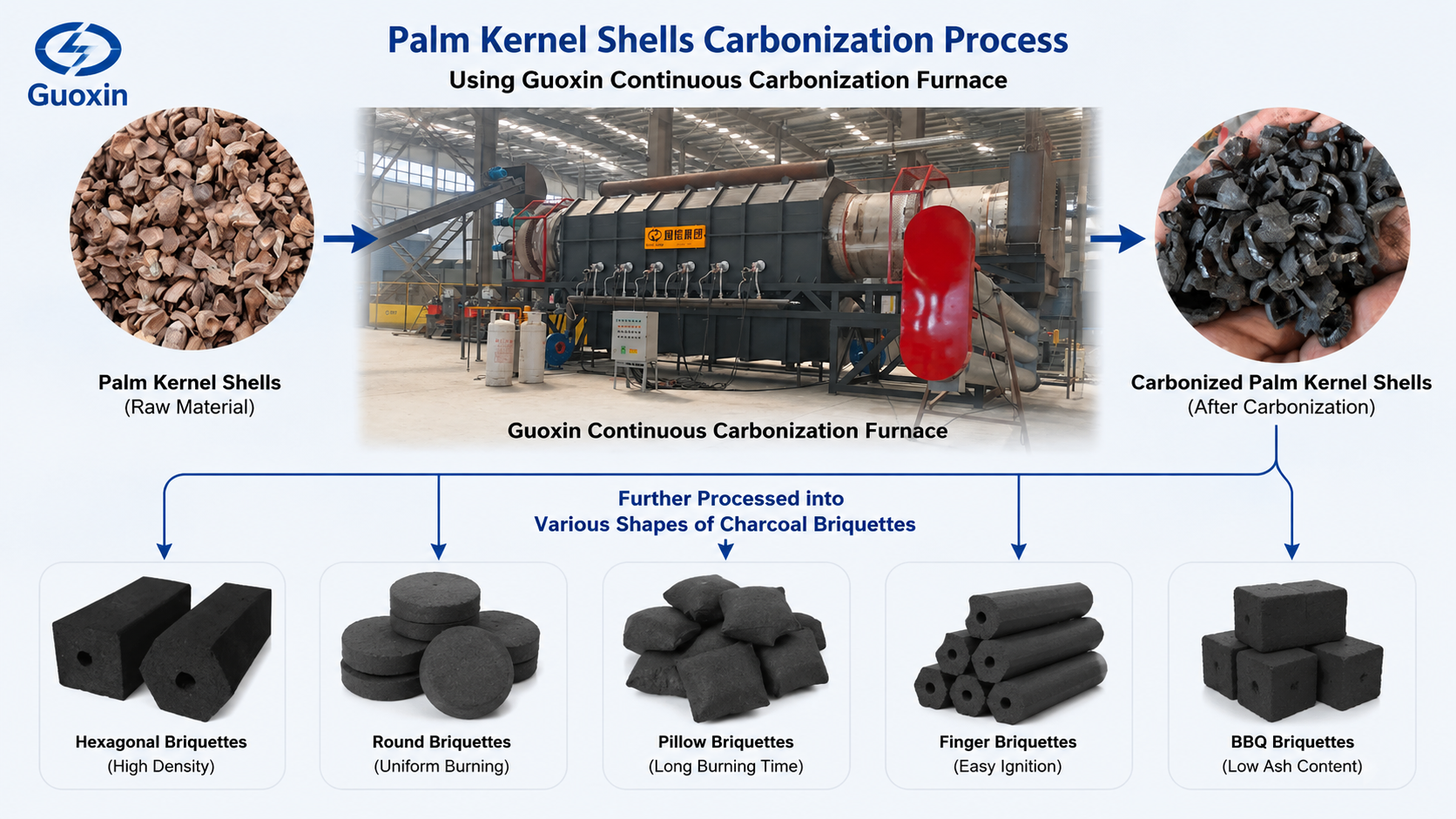
In the palm oil hubs of Southeast Asia (Indonesia, Malaysia) and West Africa, Palm Kernel Shell (PKS) is recognized as a high-density biomass resource with superior energy potential.
While raw PKS is often sold as a low-margin boiler fuel, its true commercial value lies in carbonization and subsequent briquetting.
We provides fully integrated PKS carbonization and charcoal briquetting lines designed for industrial energy recovery, transforming mill waste into high-margin, export-grade BBQ charcoal and industrial reductants.
For palm oil mill operators and biomass investors, PKS is an ideal feedstock due to its naturally high lignin content and high bulk density. Carbonizing PKS results in a product with a caloric profile comparable to high-grade coal.
| Metric | Raw Palm Kernel Shell (PKS) | Carbonized PKS Briquettes |
| Fixed Carbon (FC) | ~18% – 22% | > 80% |
| Calorific Value (LHV) | 4,000 – 4,400 kcal/kg | 7,000 – 7,500 kcal/kg |
| Volatile Matter | 70% – 75% | <15% |
| Ash Content | ~2% – 4% | < 5% |
| Burn Duration | Low (Rapid) | Long (3–5 Hours for BBQ) |
Feedstock Sourcing: Direct integration with CPO (Crude Palm Oil) mills minimizes transport costs.
Export Potential: High-density PKS charcoal briquettes are in high demand in the Middle Eastern and European BBQ markets due to their consistent heat output and low smoke.
Industrial Use: Serves as a high-quality, renewable reductant for the metallurgical industry and specialized boilers.
Energy Recovery: Our systems are designed to be thermally self-sufficient, utilizing the exothermic energy of carbonization to power the drying process.
Our PKS processing lines are engineered for durability, handling the abrasive nature of palm shells with reinforced alloy components.
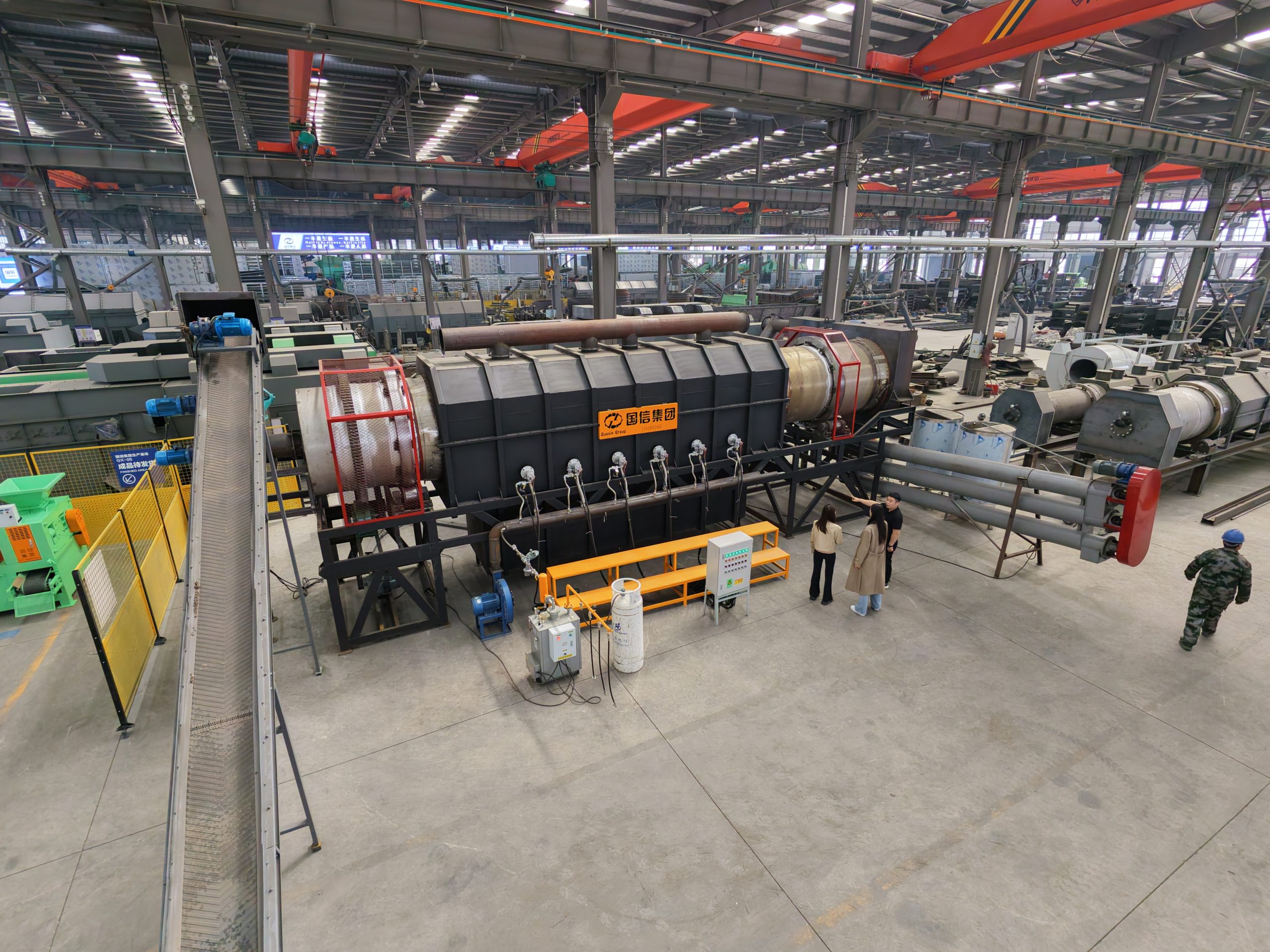
Using a Continuous Rotary Carbonization Kiln, raw PKS is thermally decomposed in an oxygen-free environment at temperatures between $450\text{°C}$ and $650\text{°C}$. This removes moisture and volatiles, leaving a carbon-rich skeleton with a high structural density.
The carbonized PKS is pulverized into a fine powder and mixed with organic, food-grade binders. Depending on market requirements, we offer two molding technologies:
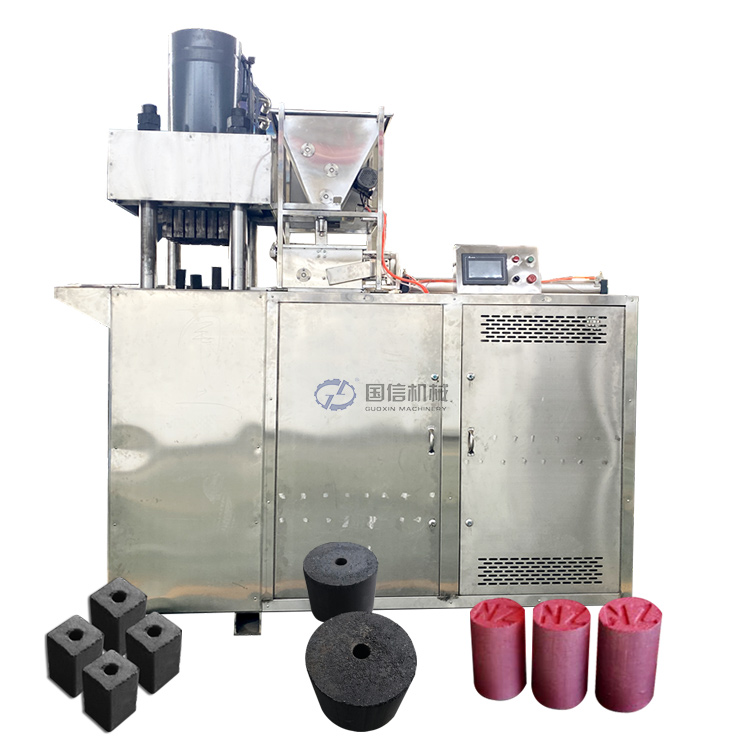
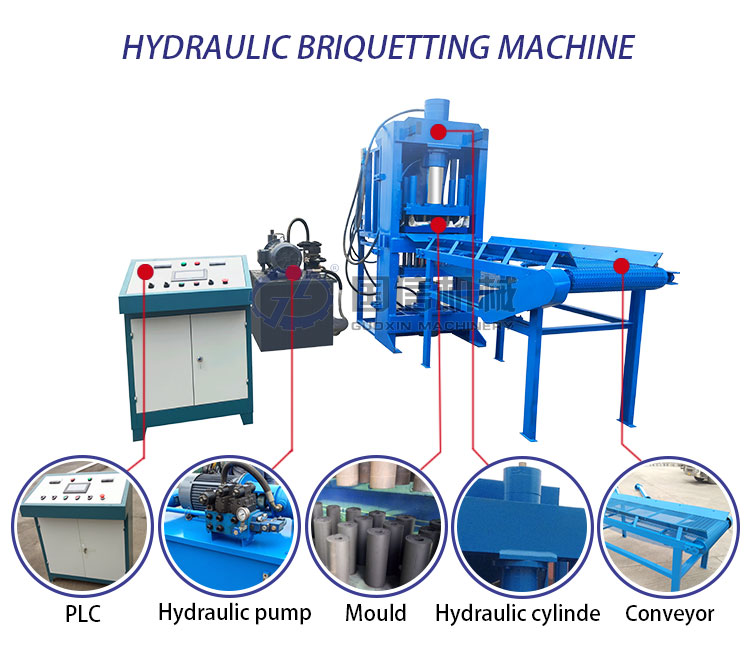
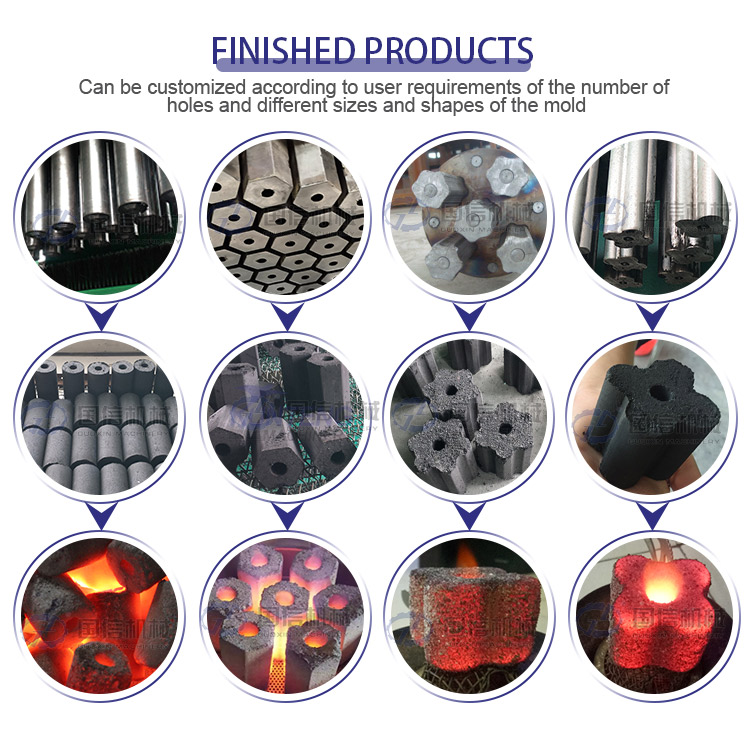
Hydraulic Pressing: For high-density BBQ cubes or hexagonal logs with superior mechanical strength.
Screw Extrusion: For industrial-grade charcoal sticks with high combustion efficiency.
The process captures the combustible gases released during carbonization. This syngas is cleaned via a purification tower and redirected to the burners, reducing external fuel requirements (LPG/Diesel) by up to 60%.
| Parameter | Industrial Specification |
| Production Capacity | 1.0 TPH – 10.0 TPH (Tons Per Hour) |
| Operating Mode | 24/7 Continuous Operation |
| Core Material | High-temp resistant alloy steel (Q245R/310S) |
| Final Product Shapes | Cubes, Hexagonal logs, Pillow-shapes, or Cylinders |
| Standard Compliance | ISO-certified components with integrated safety HMI |
Regional Experience: Extensive installation footprint in Indonesia, Malaysia, and Nigeria, tailored to tropical climates and high-moisture feedstocks.
Industrial Durability: PKS is highly abrasive; our machines feature wear-resistant alloys specifically chosen to extend the lifespan of internal flights and molds.
Turnkey EPC Service: From site survey and CAD factory layout to on-site commissioning and operator training.
Inquire for Current PKS Plant Pricing & ROI Analysis
Consult an Engineer: Customize Your Briquette Specifications
Q1: What is the optimal moisture content for PKS before carbonization?
A: For maximum efficiency, PKS should have a moisture content of < 15%. If your mill discharge is fresh and wet (25/% – 35/%), we integrate a rotary dryer that utilizes waste heat from the carbonization kiln to pre-dry the material.
Q2: Why is PKS charcoal preferred over wood charcoal for industrial use?
A: PKS charcoal has a much higher density and lower ash content than many wood species. This results in a “hotter” burn and more stable fixed carbon levels, which is critical for industrial reductants and high-end BBQ catering.
Q3: How do you handle the high oil residue often found in PKS?
A: Our continuous rotary kiln is designed to handle high-volatile feedstocks. The high-temperature carbonization phase effectively burns off oil residues and converts them into combustible syngas, ensuring the final charcoal is clean, odorless, and smokeless.
Q4: Is the plant suitable for the African market (e.g., Nigeria or Ghana)?
A: Absolutely. Our equipment is built for rugged, industrial environments. We simplify the PLC interface for ease of operation and provide heavy-duty mechanical components that require minimal maintenance in remote locations.
